The New Standard for Android Phones: Analyzing the Shift to 7-Year Support Cycles and Advanced OS Skins
The landscape of the mobile industry is undergoing a seismic shift, marking one of the most significant transitions in the history of Android Phones. For over a decade, the upgrade cycle was dictated by hardware obsolescence and a notorious lack of software support. Consumers were conditioned to replace their devices every two years, not necessarily because the hardware failed, but because the software became outdated, insecure, or sluggish. However, as we move deeper into the current generation of mobile technology, a new narrative is emerging—one defined by extreme longevity and sophisticated, deeply integrated operating system skins.
Recent developments in the Android News sphere highlight a growing trend among top-tier manufacturers to extend the lifespan of their flagship devices significantly. We are witnessing the dawn of the “7-Year Era,” where premium devices are no longer treated as disposable commodities but as long-term computing investments. Coupled with this is the evolution of user interfaces. Manufacturers are moving away from light “skins” atop stock Android to developing comprehensive operating environments—like OriginOS—that fundamentally change how users interact with their devices. This article delves deep into this industry-wide transformation, analyzing the technical implications of extended support cycles and the rise of next-generation Android interfaces.
The Paradigm Shift in Software Longevity
The historical Achilles’ heel of the Android ecosystem has always been fragmentation and short support windows. While competitors in the iOS ecosystem enjoyed five to six years of updates, Android users were often lucky to receive two major OS upgrades. This is rapidly changing, driven by consumer demand, environmental regulations, and the sheer processing power of modern chipsets.
Breaking the Two-Year Curse
The latest flagship Android Phones are shattering the two-year ceiling. We are seeing a concerted effort by leading OEMs (Original Equipment Manufacturers) to commit to 5 years of Android OS upgrades and up to 7 years of security updates. This is not merely a marketing gimmick; it is a fundamental restructuring of the software supply chain. To achieve this, manufacturers must work closely with chipset vendors like Qualcomm and MediaTek to ensure drivers remain compatible with future Android kernels half a decade down the line.
For the consumer, this changes the value proposition entirely. A device purchased today will still be running the latest, secure software well into the next decade. This shift effectively doubles the viable lifespan of the hardware, reducing the total cost of ownership and significantly impacting the secondary market.
Security Updates vs. OS Upgrades
It is crucial to distinguish between the two types of support now being offered:
- OS Upgrades: These deliver new features, UI changes, and API level bumps (e.g., moving from Android 15 to Android 16). The new standard is pushing for 5 major iterations.
- Security Updates: These are critical patches that fix vulnerabilities and protect user data. The push for 7 years of security patches ensures that even after a phone stops getting new features, it remains safe to use for banking and communication.
This bifurcation allows manufacturers to keep devices safe for longer than they keep them “feature-current,” though the gap is narrowing. The commitment to 7 years of security puts high-end Android devices on par with enterprise-grade computing equipment.
Detailed Analysis: The Rise of OriginOS and Next-Gen Interfaces
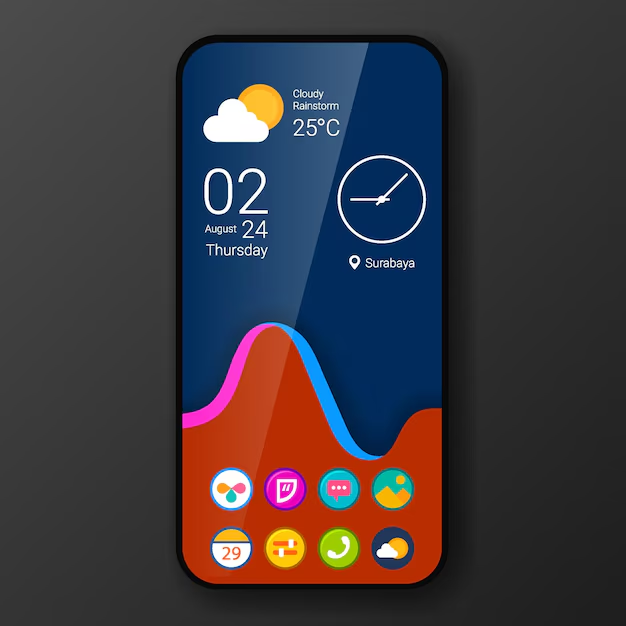
While longevity ensures the phone works, the user interface (UI) ensures the phone is a joy to use. The era of “Stock Android is King” is fading as manufacturers invest heavily in proprietary skins that offer features Google’s base OS cannot match. A prime example of this evolution is the shift toward systems like OriginOS, which represents a departure from traditional Android skins.
Beyond the App Grid: The Atomic Design Philosophy
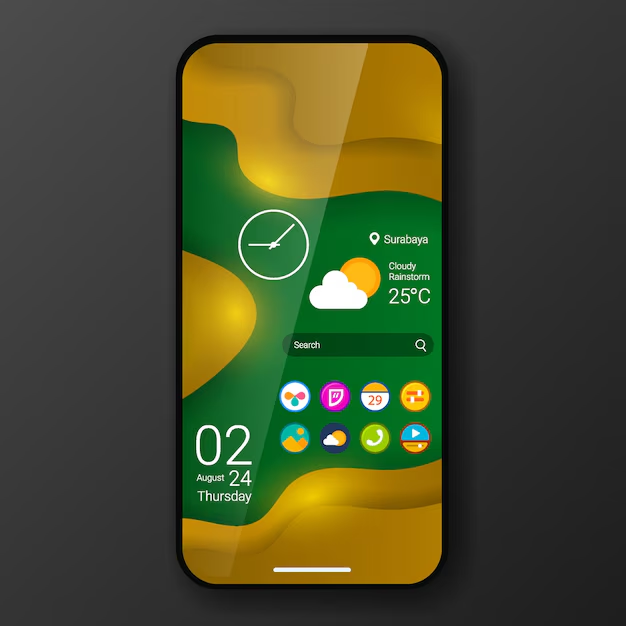
Modern interfaces are moving away from the static grid of icons. Systems like OriginOS introduce concepts often referred to as “Atomic Design.” This approach breaks down the rigid hierarchy of the home screen. Instead of simple app icons, users interact with interactive widgets and “nano-alerts” that provide functionality directly on the home screen without opening an app.
For instance, in these modern interfaces, a music player widget isn’t just a shortcut; it is a fully functional mini-player. A calendar icon dynamically changes to show the schedule. This level of interactivity requires deep optimization of the Android runtime environment to ensure that having dozens of active, updating elements doesn’t drain the battery or clog the RAM.
Memory Fusion and Smoothness Engines
To support these heavy, feature-rich skins over a 5 to 7-year period, Android Phones are utilizing advanced software technologies:
- Memory Fusion Technology: This utilizes a portion of the high-speed UFS storage as virtual RAM. While not new, the algorithms have improved to the point where switching between 20+ apps feels instantaneous. This is critical for longevity, as app memory requirements will inevitably grow over the next seven years.
- Non-Linear Animation Engines: Traditional animations are linear and rigid. Modern OS skins use physics-based animation engines that track finger velocity and pressure. If you interrupt an animation (like closing an app and immediately reopening it), the system calculates the inertia and reverses the animation smoothly rather than stuttering.
- Intelligent Resource Scheduling: AI-driven schedulers now learn user behavior. If you typically open your news app at 7:00 AM, the system pre-loads it into memory at 6:55 AM. This predictive behavior masks the aging of hardware, keeping the phone feeling snappy years after purchase.
Deep Integration with Android Gadgets
The new wave of OS skins is also focused on ecosystem cohesion. The goal is to make the phone the central hub for a suite of Android Gadgets. Whether it is pairing with smartwatches, earbuds, or smart home displays, proprietary OS layers are building “walled gardens” within the open Android ecosystem. This allows for features like seamless audio switching and cross-device copy-pasting, which were previously difficult to implement on stock Android.
Implications and Insights: The Hardware-Software Synergy
The promise of 7 years of updates places immense pressure on the hardware. A phone released in 2024 must be able to run the software of 2031. This necessitates a change in how hardware is designed and chosen.
The Processor Headroom
Flagship devices are now launching with processors that are arguably “overpowered” for today’s tasks. This is by design. The surplus processing power of chips like the latest Snapdragon 8 Elite or high-end MediaTek Dimensity series is essentially an insurance policy for the future. The Neural Processing Units (NPUs) in these chips are vast, designed to handle on-device Generative AI tasks that haven’t even been invented yet.
By purchasing a high-end device with extended support, consumers are buying into “future-proofing” in a literal sense. The hardware is built to absorb the computational weight of future OS updates without slowing down.
Battery Health Technologies
Software support is useless if the battery dies after three years. To complement the 7-year update cycle, manufacturers are introducing battery health engines. These are software algorithms that monitor charging habits and chemical stability.
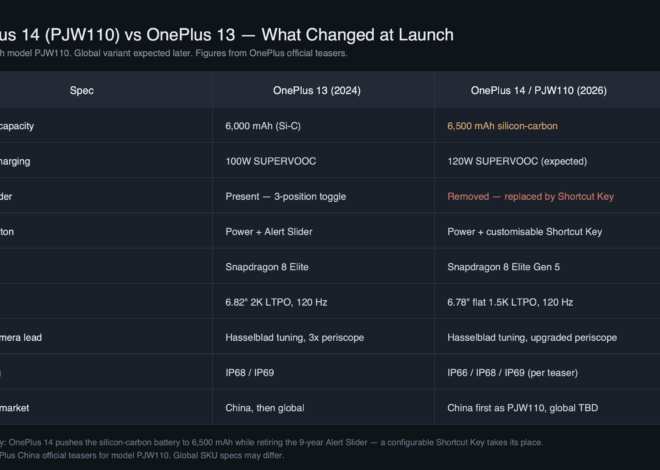
For example, if you plug your phone in overnight, the system might charge it to 80% and hold it there, only finishing the final 20% minutes before your alarm goes off. This prevents the battery from sitting at high voltage for hours, which is the primary cause of degradation. Furthermore, new silicon-carbon anode battery technologies are increasing density and cycle life, aiming to retain 80% capacity even after 4 to 5 years of daily use.
The Role of AI in Longevity
Artificial Intelligence is the glue holding the long-term experience together. Over time, file systems get cluttered, and databases fragment. Modern Android builds include self-healing AI scripts that run during idle charging times. These scripts defragment storage, clear cache intelligently, and optimize database queries. This “self-maintenance” capability is essential for preventing the slowdown that plagued older Android devices.
Pros, Cons, and Recommendations
As we navigate this new era of Android News and hardware releases, consumers must weigh the benefits and risks of buying into these long-term support promises.
Pros of the New Ecosystem
- Resale Value: A phone with 4 years of remaining support is worth significantly more on the second-hand market than one that has reached its end-of-life.
- Security: Continuous security patches protect users from evolving cyber threats, making mobile banking and identity storage safer.
- Feature Evolution: Users get the feeling of a “new phone” annually with major OS updates that bring fresh UI elements and features.
- Environmental Impact: Keeping a phone for 5 years instead of 2 drastically reduces e-waste and the carbon footprint associated with manufacturing.
Cons and Considerations
- Physical Durability: While software lasts 7 years, glass and glue do not. Drops, water ingress, and USB-port wear are inevitable. Users must invest in high-quality cases and perhaps budget for a battery replacement mid-cycle.
- Repairability: Long software life demands hardware repairability. Consumers should check if the manufacturer offers easily accessible spare parts.
- Storage Constraints: 128GB of storage might be sufficient today, but with OS sizes growing and app assets increasing in quality, it will likely be insufficient in 5 years. For a long-term device, 256GB or 512GB should be the minimum standard.
Best Practices for Long-Term Ownership
If you are purchasing a modern Android flagship with the intent of keeping it for the full 5-7 year support cycle, follow these guidelines:
- Over-spec on Storage: Always buy more storage than you think you need. You cannot download more storage later.
- Battery Care: Use the built-in “Smart Charging” or “Battery Protection” features found in settings. Avoid letting the phone drop to 0% or sit at 100% for extended periods.
- Physical Protection: Invest in a high-quality tempered glass screen protector and a shock-absorbent case immediately.
- Factory Reset: Every major OS update (e.g., Android 15 to 16) can leave behind residual code. It is good practice to back up and factory reset the device every 2 years to maintain peak performance.
Conclusion
The Android ecosystem has matured. The days of fragmentation and planned obsolescence are being replaced by a commitment to longevity, sustainability, and deep user experience customization. The move by major manufacturers to offer 5 years of Android OS upgrades and 7 years of security updates is a game-changer for the industry. It transforms Android Phones from temporary gadgets into durable, long-term companions.
Furthermore, the evolution of interfaces like OriginOS proves that the future of Android is not just about raw specs, but about how software anticipates user needs through atomic design and AI integration. For the consumer, this is the golden age of mobile technology. However, it requires a shift in mindset: buying a phone is now akin to buying a laptop—an investment meant to last, provided it is chosen wisely and maintained correctly. As we look forward, the synergy between powerful hardware and enduring software promises a future where our devices grow better with age, rather than obsolete.