The Two-Year Upgrade Cycle Is Dead. Good Riddance.
My phone buzzed at 11:30 PM last night. Usually, that’s a signal to doom-scroll for twenty minutes before passing out, but this time it was different. A system update notification. And not one of those boring “security patch level” updates that fixes three bugs I never noticed while seemingly making the battery drain 5% faster.
No, this was a big one. A multi-gigabyte overhaul.
I’m holding a device that launched years ago. In the old days of Android—let’s say around 2018 or 2019—this phone would be effectively dead. Abandonware. The manufacturer would have already forgotten it existed, too busy hyping up the shiny new slab of glass they just announced. But here I am, staring at a changelog that looks suspiciously like the feature list of a brand-new flagship.
It got me thinking about how weird the smartphone market has become lately. We’ve reached this bizarre plateau where the hardware is so good it outlasts the battery chemistry, yet the software is finally catching up to keep these things feeling relevant.
The Hardware Ceiling Was Hit Years Ago
Let’s be real for a second. If you bought a high-end Android phone anytime in the last three years, you have absolutely no logical reason to upgrade today. None.
I remember when jumping from a Snapdragon 800 to an 820 felt like strapping a rocket to a bicycle. Apps opened instantly. Games stopped dropping frames. You needed that upgrade just to keep up with how bloated apps were getting. But now? My “old” phone has a Snapdragon 8 Gen 2 processor and 16GB of RAM. Do you know what I do with all that power? I scroll Twitter, send emails, and occasionally play a puzzle game that would run on a smart fridge.
The processors became overkill around 2023. We just didn’t want to admit it because buying new tech is fun.
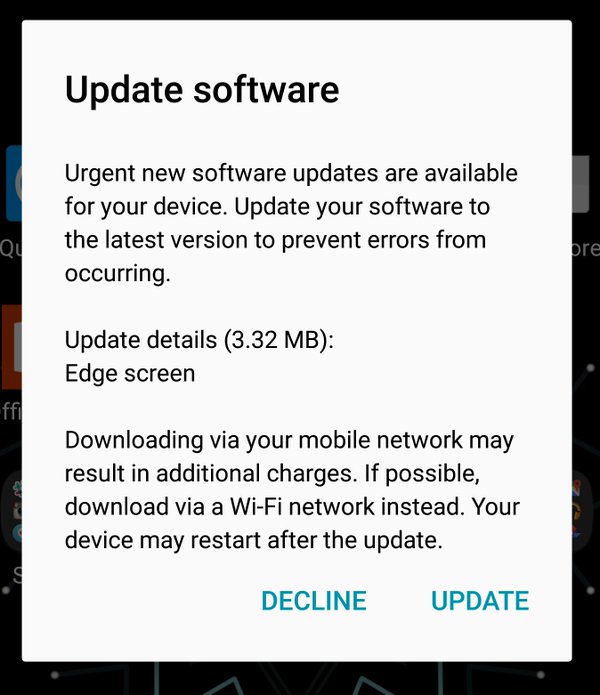
But manufacturers—specifically the ones who aren’t Samsung or Google—seem to have realized that if they can’t sell us hardware on speed anymore, they have to sell us on longevity. Seeing brands like OnePlus and others commit to four or five years of major updates wasn’t just a marketing ploy; it was a survival tactic. They knew we weren’t going to buy the new model just for a slightly better camera bump.
The “Feature Drop” Psychology
There is something surprisingly satisfying about waking up to a phone that does new tricks. It triggers the same dopamine hit as buying a new gadget, but without the $900 hole in your bank account.
This recent wave of updates hitting legacy devices is interesting because it’s not just UI tweaks. We’re seeing actual feature parity. The AI tools that were supposed to be exclusive to the “latest and greatest” NPU-toting flagships? They’re trickling down. The multitasking gestures that were the selling point of the new foldables? They’re suddenly on my slab phone.
It makes you wonder how much of the “exclusive feature” marketing at launch is actual hardware limitation versus artificial gatekeeping. (Spoiler: It’s mostly gatekeeping).
I used to root my phones. I’d spend hours unlocking bootloaders, flashing LineageOS or Paranoid Android, just to get the latest version of Android because the manufacturer abandoned the device after 18 months. It was a hassle. Things broke. Google Pay would stop working. Netflix wouldn’t stream in HD.
Now, I don’t have to. The stock software is actually… good? And it stays current. It’s a weird feeling for an old-school Android nerd to admit that the manufacturers are finally doing their job.
But It’s Not All Roses
I don’t want to paint this as a perfect utopia. There is a dark side to pushing massive modern software updates to aging hardware.
Battery Life Roulette: Every major Android version update is a gamble. Will this be the one that optimizes background processes and gives me an extra hour of screen time? or will it be the one that causes “Google Play Services” to chew through 30% of my battery while the phone sits in my pocket? It’s a coin toss. My update last night seems stable, but I’ve been burned before.
Storage Bloat: These updates are getting heavy. System files are creeping up to 20GB, 30GB. If you bought a 128GB model a few years ago thinking “I stream everything, I don’t need space,” you are probably sweating right now. The OS is eating your lunch.
The “Optimized for the New Chip” Lie: Sometimes, features arrive on older phones but they feel… heavy. The animations stutter just a micro-second. The camera app takes a beat longer to open. It’s subtle, but it’s there. It’s the software demanding resources that the older storage speeds just can’t quite deliver instantly.
Why I’m Keeping My Phone (For Now)
Despite the risks, this shift toward long-term support is the best thing to happen to Android in a decade. It kills the FOMO (Fear Of Missing Out).
I used to watch the launch events in January and October with a sense of envy. Now? I watch them with curiosity, knowing that whatever cool software trick they’re showing off will probably land on my current device in six to eight months. I can wait.
The “end-of-year upgrade” has become my favorite holiday tradition. It’s like getting a new phone, but I didn’t have to transfer my 2FA codes or log back into forty different apps. If you’re sitting on a OnePlus 11, a Pixel 7, or an S23, hold onto it. Scrub the screen, maybe pay fifty bucks for a new battery if it’s degraded, and update the software.
It’s better for your wallet, better for the pile of e-waste growing in the desert, and honestly? It’s kind of a flex to pull out a scratched, dented phone that runs the exact same software as the guy next to you with the brand new $1,200 device.
The hardware race is over. The software marathon is the only thing that matters now.