The 2026 OS Purge: Why Your “New” Phone Just Became Paperweight
The Notification of Doom
I woke up this morning, grabbed my coffee, and saw the chatter on the forums. It’s happening again. That dreaded notification is popping up for players of major mobile titles, and this time the cut is deeper than I expected. Come mid-February—specifically around the 11th—a massive chunk of hardware is getting kicked off the support list for some pretty popular apps.
We’re talking about the end of the line for Android 9, 10, and 11.
If you’re sitting there with a phone you bought in 2020 thinking, “It still runs fine,” I have bad news. The industry is moving the floor, and they’re moving it fast. But what really shocked me wasn’t the Android side of things—it was the iOS requirements that came along for the ride. Dropping iOS 16 and 17? In early 2026? That is aggressive.
I’ve been tracking OS deprecation cycles for years, and usually, we see a gentle “N-2” or “N-3” support window. This feels different. This feels like a forced march.
Why Android 11 is the New Windows XP
Let’s look at the Android side first because that’s where the fragmentation headache usually lives. Android 11 dropped in 2020. In tech years, that’s middle-aged, not elderly. But developers are clearly tired of supporting it.
Why? Under the hood changes.
I suspect this specific purge is about API levels and Google’s Play Store requirements finally syncing up with game engine capabilities. Unity and Unreal Engine have been pushing newer rendering features that just choke on older drivers. When I try to optimize a build for Android 10 these days, it feels like trying to fit a sleeping bag into a Pringles can. You can do it, but you’re going to break something.
By forcing the minimum to Android 12, developers get access to:
- Material You design languages that don’t look broken.
- Better privacy dashboards (which means less code written to handle permissions manually).
- Performance classes that actually tell the app how fast the phone is.
But here’s the kicker: Android 12 was a massive architectural shift. It introduced “Material You” and changed how background processes work. Maintaining a codebase that bridges the pre-12 and post-12 world is miserable. I’ve done it. I hated it. So, seeing studios just chop off everything pre-12? I get it. It saves money. It saves QA time.
Doesn’t make it suck less for the user with a Galaxy S10, though.
The iOS 17 Mystery
This is the part that actually made me spit out my drink. The news isn’t just about Android. It’s about iOS 16 and 17 getting the axe too.
Think about that for a second.
It is January 2026. iOS 17 came out in late 2023. If an app drops support for it now, they are effectively demanding you run an OS that is barely two years old. That usually means they need hardware that can run iOS 18 or whatever the current stable build is. This breaks the unspoken rule of mobile development, which has always been “Support the current version and the two before it.”
If this trend holds, we are entering an era of accelerated obsolescence that makes the old “planned obsolescence” conspiracy theories look quaint. You might be forced to upgrade your iPhone every three years just to play the latest patch of your favorite horse game or MMO.
The “E-Waste” Elephant in the Room
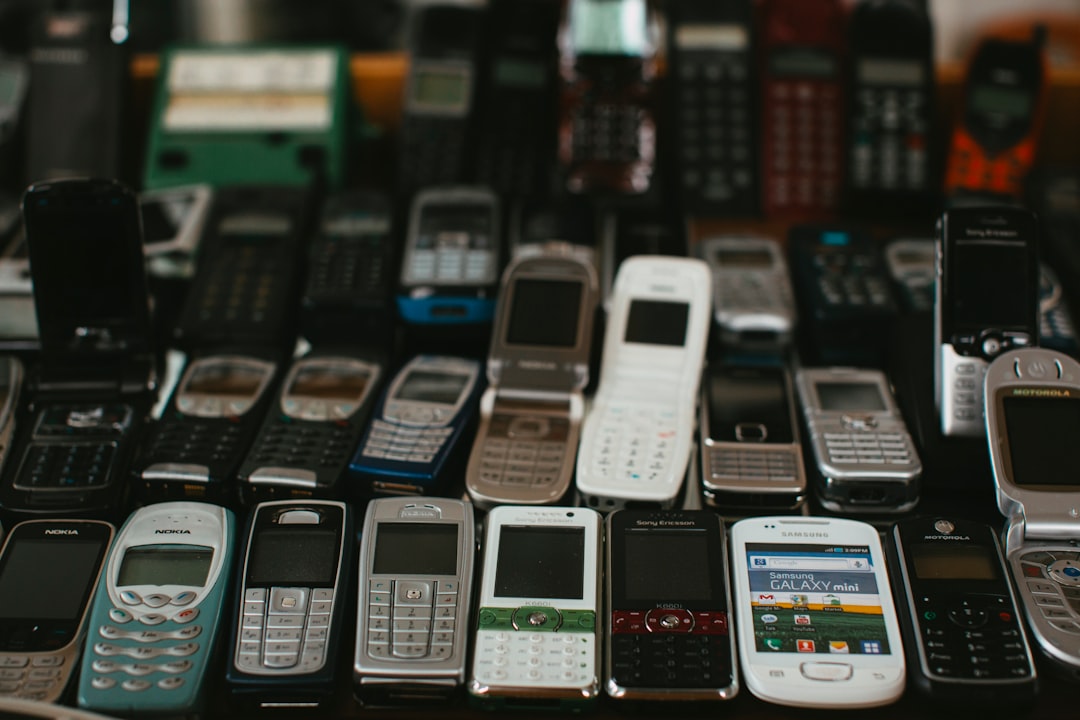
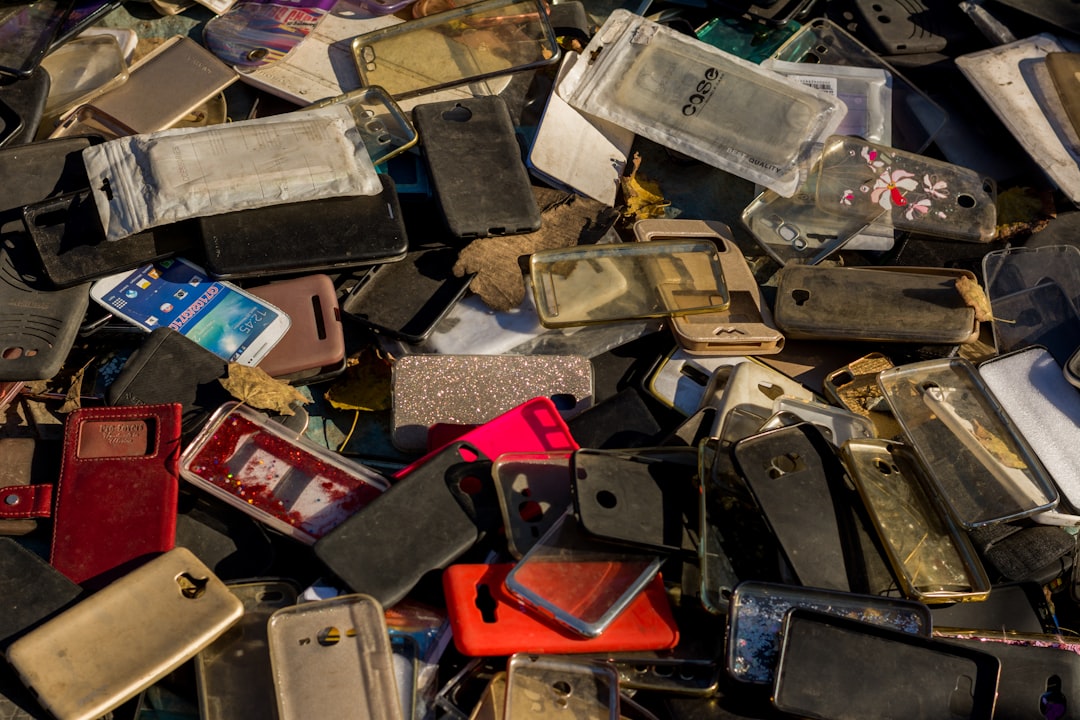
I have a drawer full of phones. You probably do too.
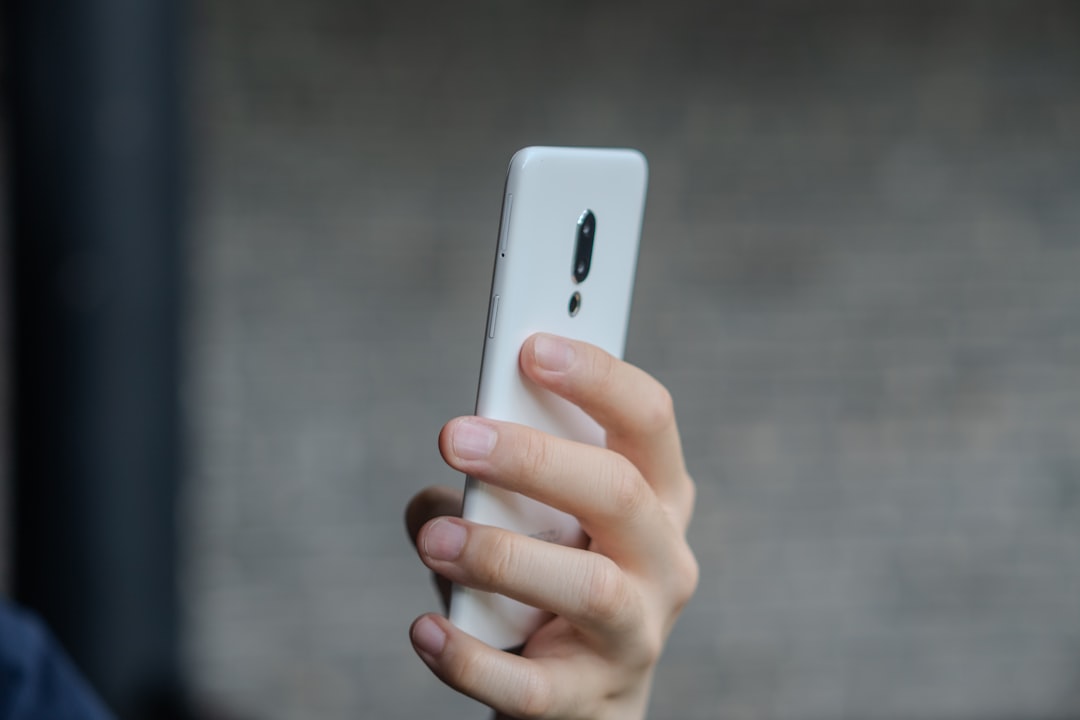
My Pixel 4a? Perfectly functional hardware. Screen is crisp, battery is okay-ish. But as of next month, for these specific apps, it’s a brick. It’s not that the processor can’t run the code. It’s that the software gatekeepers have decided it’s not worth the effort to let it try.
We keep hearing big tech companies talk about sustainability. “We removed the charger from the box to save the planet!” they say. Yeah, right. Meanwhile, software requirements are rendering perfectly good silicon useless faster than ever. If I have to buy a new $800 device because my $600 device from 2021 can’t run an update, that carbon footprint dwarfs whatever plastic saved from a missing charging brick.
What Should You Do?
If you’re seeing these warnings pop up on your screen, you have two choices. And neither of them is great.
Option A: The Custom ROM Route (Android Only)
I’ve kept old phones alive for years by flashing LineageOS. If you have a popular device like a OnePlus or a Pixel that’s stuck on Android 11, you might be able to force it onto Android 13 or 14 via a custom ROM. It’s not for the faint of heart—you need to unlock bootloaders and risk bricking the thing—but it works. I’m running Android 14 on a device that officially died at Android 10. It’s slow, but it’s compatible.
Option B: The Upgrade
If you’re on iOS, you’re stuck. Apple’s walled garden has no back door. If your hardware can’t take the update, you are buying a new phone. End of story.
The Developer’s Dilemma
Look, I don’t want to paint the developers as the villains here. I’ve sat in those meetings.
Someone pulls up the analytics dashboard. They point to the pie chart. “Only 4% of our user base is on Android 11 or lower,” they say. “But they account for 30% of our crash reports.”
That’s the math.
It costs real money to fix bugs for old operating systems. When a specific texture doesn’t load on an API level 30 device, a developer has to spend three days figuring out why, instead of building a new feature for the 96% of users on newer phones. Eventually, the producer makes the call: “Cut them loose.”
It’s cold. It’s logical. And it’s annoying as hell.
Final Thoughts
February 11, 2026. Mark the date. That’s when the guillotine drops for this round of apps. If you’re clinging to an older OS, check your settings now. See if you have an update pending that you’ve been ignoring because you “don’t like how the new icons look.”
Just update it.
Because come next month, ugly icons will be the least of your problems. You might not be able to log in at all.
Questions readers ask
Which Android and iOS versions are being dropped from major mobile apps on February 11, 2026?
Starting around February 11, 2026, a wave of popular mobile apps will stop supporting Android 9, 10, and 11, requiring at least Android 12. On the Apple side, the same purge drops iOS 16 and 17, meaning users effectively need iOS 18 or the current stable build. Devices stuck on these older operating systems may not even be able to log in after the cutoff.
Why are developers dropping Android 11 support when the OS is only a few years old?
Developers are cutting Android 11 because Android 12 introduced a major architectural shift, including Material You, reworked background processes, performance classes, and improved privacy dashboards. Engines like Unity and Unreal push rendering features that choke on older drivers, and maintaining a codebase bridging pre-12 and post-12 versions is painful. Studios save money and QA time by setting Android 12 as the new floor.
Can I keep using an old Android phone after the February 2026 app cutoff?
Possibly, if you are willing to flash a custom ROM. The article’s author keeps older devices alive using LineageOS, running Android 14 on hardware that officially stopped at Android 10. Popular devices like OnePlus or Pixel phones stuck on Android 11 can often be forced onto Android 13 or 14. It requires unlocking the bootloader and risks bricking the device, so it is not beginner-friendly.
Why is dropping iOS 17 support in early 2026 considered unusually aggressive?
iOS 17 launched in late 2023, so dropping it in January 2026 demands an operating system barely two years old. This breaks the longstanding unspoken rule of mobile development, which was to support the current version plus the two before it (roughly an N-2 or N-3 window). The shift signals accelerated obsolescence, potentially forcing iPhone upgrades every three years just to keep playing favorite apps.