
13 Days on a Single Charge? Moto Just Embarrassed Google
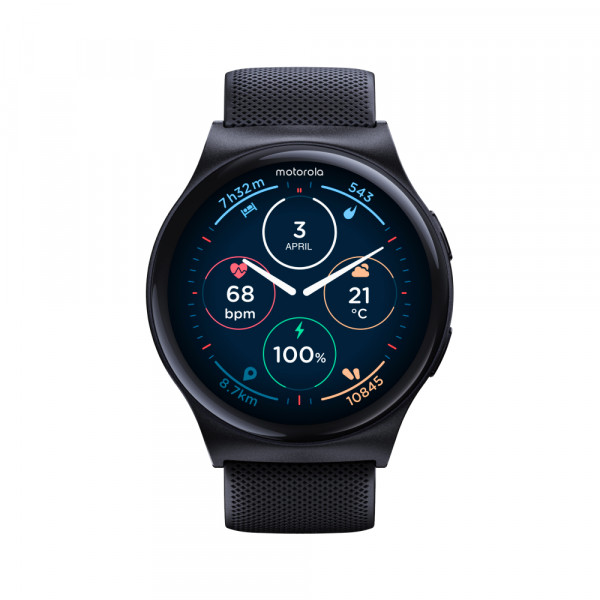
I have a drawer in my office that’s the graveyard of dead wearables—a Galaxy Watch 4, a couple of Fitbits, a Pixel Watch I abandoned because of the nightly magnetic-puck ritual. So when Motorola unveiled a smartwatch at CES 2026 claiming 13 days on a single charge, I sat up straight. If that number holds, it exposes a battery-life problem Google and Samsung have dodged for five years.
There’s a Galaxy Watch 4 in there, a couple of Fitbits with snapped bands, and a Pixel Watch that I stopped wearing because I got tired of the daily ritual. You know the one. You get home, you take it off, you hunt for the little magnetic puck, and you pray the cat doesn’t knock it off the nightstand while you sleep. If you forget? You’re tracking absolutely nothing the next day except your own annoyance.
So when Motorola dropped their latest smartwatch at CES earlier this month, claiming a 13-day battery life, I didn’t just pay attention. I actually sat up straight.
We need to talk about this. Because if these numbers hold up in the real world—and early signs say they do—it forces a conversation that Google and Samsung have been trying to avoid for five years.
The Battery Life Lie We All Accepted
Somewhere along the line, we all just agreed that charging a watch every 24 hours was normal. It’s not. It’s ridiculous.
I remember my old Pebble. That thing ran for a week on a screen that looked like a calculator, and I loved it. But then the screens got pretty, the processors got hungry, and battery life fell off a cliff. We traded utility for AMOLED punchiness.
Motorola’s new angle with this 2026 refresh isn’t about adding more apps. It’s about efficiency. Getting nearly two weeks of juice changes how you use a device. Suddenly, sleep tracking isn’t a logistical puzzle of “when do I charge this?” You just wear it. You go on a weekend trip without bringing a specific cable. You forget about the battery for days at a time.
This is achieved, mostly, by not running the heavy, bloat-filled version of Wear OS that sucks power just to keep a voice assistant listening for keywords nobody uses. Moto is using a lighter touch here (Moto Watch OS), and honestly? Good.
Polar Inside: Why This Actually Matters
Usually, when a tech company partners with a fitness brand, it’s a branding exercise. They slap a logo on the strap, charge an extra fifty bucks, and call it a day.
This feels different.
Motorola licensing Polar’s algorithms is a direct shot at Garmin. I’ve used Polar gear before—their chest straps are the gold standard for a reason. Their data isn’t just “you walked 5,000 steps.” It’s about recovery, training load, and biological metrics that actually mean something if you’re trying to get in shape rather than just close a colorful ring.
By dumping Polar’s “Powered by Polar” flow into a consumer-grade smartwatch, Moto is trying to grab the people who find Garmins too ugly and Pixel Watches too toy-like. It’s a smart play. I want to know if my run actually improved my cardio load, not just how many calories an algorithm guessed I burned.
If the heart rate sensor accuracy matches the software pedigree, this thing could be a beast.
The “Smart” vs. “Useful” Trade-off
Here’s the catch. There is always a catch.
To get 13 days of battery, you aren’t getting a wrist-computer that runs full Android apps. You likely won’t be browsing obscure maps or replying to Slack messages with a tiny QWERTY keyboard (which, let’s be real, is a miserable experience anyway).
And I’m fine with that.
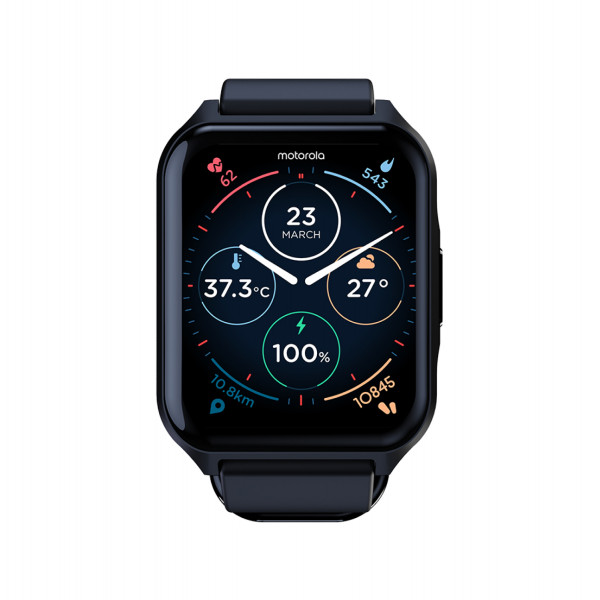
I realized recently that I use exactly three “smart” features on my watch:
- Checking notifications so I don’t have to pull out my phone.
- Controlling music/podcasts.
- Tracking workouts.
That’s it. I don’t need a web browser. I don’t need to view photos. I definitely don’t need to watch YouTube videos on a 1.5-inch circle. If stripping out that fluff gives me 12 extra days of battery life, take it. Strip it all out.
The Android gadget market has been obsessed with “more” for too long. More cores, more RAM, more pixels. Moto seems to be the only one realizing that “less” is actually a feature. Less charging. Less distraction. Less anxiety.
The Competition is Sweating
Look at the landscape right now in early 2026. The Pixel Watch 4 (or whatever Google is calling it this week) is beautiful, sure. It integrates with Gemini perfectly. It also dies if you look at it wrong after a long day with GPS on.
Samsung? The Galaxy Watch series is solid, but it’s stagnant. They’re tweaking bezels while battery life has barely inched forward in three generations.
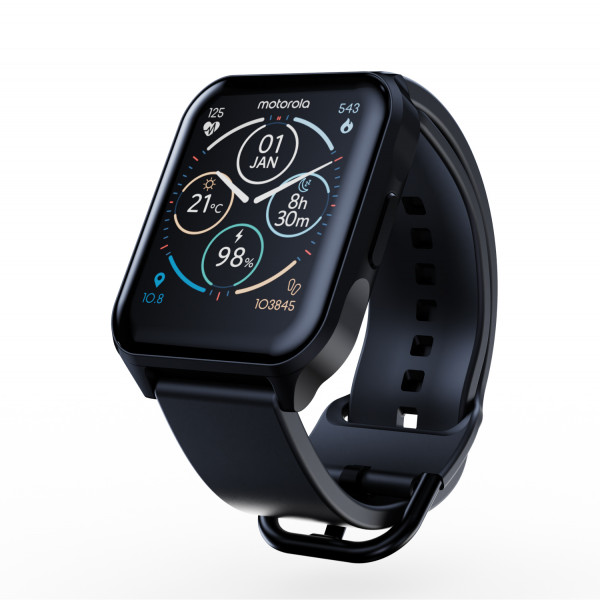
Then comes Motorola, a brand many people wrote off as “just budget phones” a few years ago, dropping a device that solves the single biggest pain point in the industry. It’s aggressive.
Should You Buy It?
I haven’t put it through the full grinder yet—I want to see if that 13-day claim holds up when I’m actually using GPS for an hour a day. Manufacturers love to quote battery life based on “lab conditions” where the watch sits in a dark room doing nothing.
But on paper? This is the most exciting Android wearable I’ve seen in years. Not because it does something new, but because it fixes the thing that makes all the other ones annoying.
If you’re a runner who doesn’t want to wear a bulky Garmin, or just a normal person who hates charging things, keep an eye on this one. I’m seriously considering swapping my daily driver for it. I just need to make sure the notifications don’t suck.
We’ll see. But for now, Moto has my attention. And my charger is looking pretty lonely.
Questions readers ask
How does Motorola’s new smartwatch get 13 days of battery life?
Motorola achieves nearly two weeks of battery life by skipping the heavy, bloat-filled version of Wear OS and running a lighter Moto Watch OS instead. The 2026 refresh focuses on efficiency rather than adding apps, stripping out power-hungry features like always-listening voice assistants. The trade-off is you lose full Android apps, browsers, and QWERTY keyboard replies, but gain roughly 12 extra days between charges.
What does the Polar partnership on the new Moto Watch actually do?
Motorola licensed Polar’s algorithms, bringing a “Powered by Polar” data flow into a consumer smartwatch. Unlike typical branding exercises where companies slap a logo on a strap, this integrates Polar’s serious fitness metrics—recovery, training load, and biological data—instead of just step counts and calorie guesses. It’s positioned as a direct shot at Garmin, targeting users who find Garmins too ugly and Pixel Watches too toy-like.
How does the Moto smartwatch battery life compare to Pixel Watch and Galaxy Watch?
The Pixel Watch 4 is beautiful and integrates with Gemini, but dies quickly after a long day with GPS running. Samsung’s Galaxy Watch series is solid but stagnant, with battery life barely improving across three generations while they tweak bezels. Motorola’s 13-day claim solves the industry’s single biggest pain point, making competitors look like they’ve ignored charging fatigue for five years.
What smart features do you lose with the 13-day battery Moto Watch?
To hit 13 days, you give up the wrist-computer experience: no full Android apps, no browsing obscure maps, and no replying to Slack with a tiny QWERTY keyboard. The author argues this is fine because most people only use three watch features anyway—checking notifications, controlling music and podcasts, and tracking workouts. Web browsers, photo viewing, and YouTube on a 1.5-inch circle aren’t missed.