
Beyond the Smartphone: The Hidden Android Ecosystem Powering Modern Gadgets
Introduction: The Ubiquity of the Green Robot
When most consumers hear the word “Android,” they immediately visualize a smartphone. This association is natural, given that the operating system powers over 70% of the global mobile market. However, limiting the definition of Android to just cellular telephones creates a significant blind spot regarding the technological landscape. In reality, Android has evolved into the “universal glue” of the hardware world, serving as the foundational software layer for a massive array of devices that look nothing like phones.
From smart refrigerators and treadmill interfaces to the latest wave of AI-powered wearables and retro gaming handhelds, Android Gadgets are proliferating at an unprecedented rate. The flexibility of the Android Open Source Project (AOSP) allows manufacturers to take the core architecture of the OS—its kernel, driver support, and touch interface—and skin it to serve specific, niche purposes. We are currently witnessing a fascinating trend where hardware startups launch “revolutionary” new devices that, upon closer technical inspection, are essentially stripped-down Android phones running a single, dedicated application in kiosk mode. This article explores the technical realities, the benefits, and the controversies surrounding the hidden Android ecosystem.
The Architecture of Embedded Android: Why AOSP is Everywhere
The AOSP Foundation
To understand why so many non-phone devices run on Android, we must look at the architecture of the Android Open Source Project (AOSP). Unlike proprietary embedded systems that require building a user interface and driver stack from scratch, AOSP provides a robust, pre-built infrastructure. It sits on top of the Linux kernel, offering a standardized Hardware Abstraction Layer (HAL). This means that for a hardware engineer, the path of least resistance is often to utilize a chipset (like a Qualcomm Snapdragon or MediaTek processor) that already has Android driver support.
When a company decides to build a smart mirror or a dedicated AI interpreter device, they are faced with a choice: develop a bespoke operating system (which takes years and millions of dollars) or modify Android (which is free and open-source). By choosing Android, they gain immediate access to a mature touch input stack, Wi-Fi and Bluetooth management, power management protocols, and a graphics rendering engine capable of complex UI animations.
The “Kiosk Mode” Phenomenon
A critical concept in the world of modern Android Gadgets is “Kiosk Mode” or “Device Owner Mode.” In a standard consumer environment, Android Phones utilize a launcher (like Pixel Launcher or Nova Launcher) that allows users to open various apps. However, in specialized gadgets, the manufacturer modifies the boot process to bypass the standard home screen entirely.
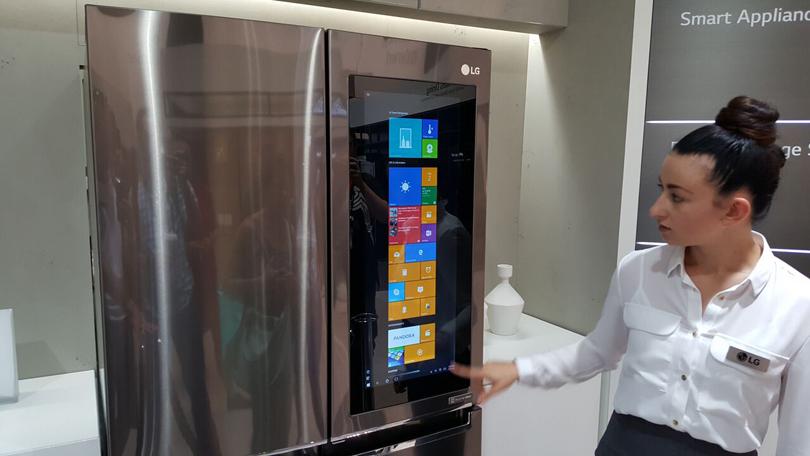
Instead, the device boots directly into a specific, proprietary application. This creates the illusion of a unique operating system. For example, a Peloton bike screen is essentially a large Android tablet that is locked into the Peloton application. The user never sees the notification shade or the navigation buttons, but the underlying architecture is identical to a budget tablet you might buy at an electronics store. This technique is now being aggressively utilized in the emerging market of “screen-less” AI devices, where the visual interface is removed or minimized, but the background processes are pure Android.
Detailed Analysis: The New Wave of Android-Powered Hardware
AI Wearables and The “App vs. OS” Debate
The most recent and controversial trend in Android News revolves around dedicated AI hardware. Several startups have launched lapel pins, handheld pods, and voice-recorders that promise to disconnect us from our smartphones. These devices often feature a camera, a microphone, a SIM card slot, and a connection to a Large Language Model (LLM) in the cloud.
Technically, these devices are fascinating case studies in minimalism. Teardowns and software analysis frequently reveal that these devices are running standard builds of Android (often older versions like Android 11 or 12). The “operating system” claimed by the manufacturer is often just a standard Android APK (Android Package Kit) running with elevated system privileges. This realization leads to a significant consumer question: If the hardware is just a vessel for an Android app, could this software not simply run on the Android Phones we already own?
From a technical standpoint, the answer is almost always yes. The hardware components—GPS, LTE modems, microphones, and touchscreens—are standardized. The differentiation lies not in the silicon, but in the form factor and the user experience design that forces a specific interaction model (e.g., push-to-talk) that might feel clumsy on a general-purpose smartphone.
Retro Gaming Handhelds
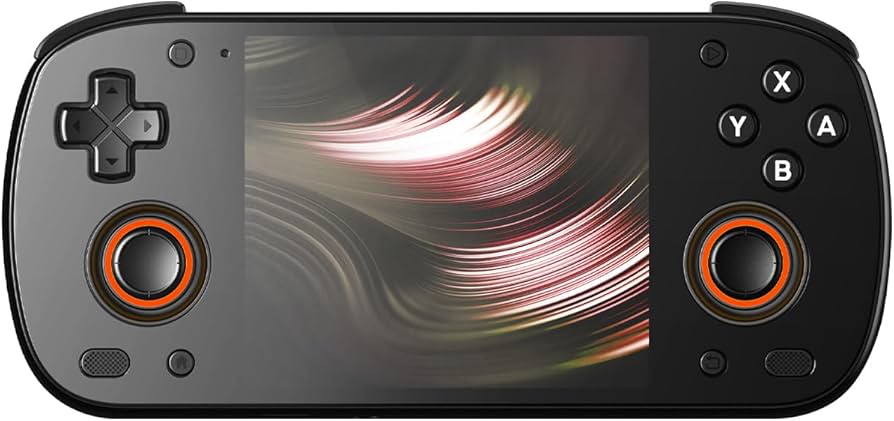
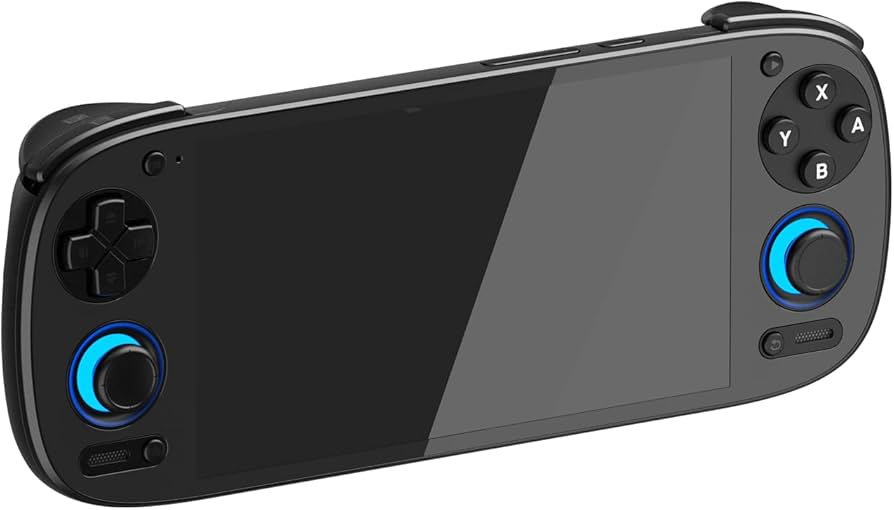
Another sector where Android Gadgets are dominating is the retro gaming market. Companies like Anbernic, Retroid, and AYN have flooded the market with handheld consoles that emulate classic systems. While they look like Game Boys or PSPs, they are internally Android devices.
Real-World Example: Consider the Retroid Pocket series. These devices use mid-range mobile processors. They come with a custom launcher that aggregates gaming ROMs, but users can swipe down to access the standard Android Wi-Fi settings, browse Chrome, or even install Instagram. This duality highlights the strength of the platform: it can be a focused gaming machine one minute and a functional mini-computer the next.
Smart Home Hubs and IoT
The Internet of Things (IoT) relies heavily on Android Things (a now-deprecated specific version) and standard AOSP. Smart displays, such as the Google Nest Hub or Amazon Echo Show (which runs a fork of Android called Fire OS), utilize the OS for its multimedia capabilities. The ability to cast video, handle voice recognition, and manage Bluetooth connections simultaneously is a heavy lift for a microcontroller, but a trivial task for the Android kernel.
Implications and Insights: Security, Updates, and E-Waste
The Security Patch Problem
While the versatility of Android is a boon for hardware innovation, it introduces significant security risks. Major manufacturers of Android Phones, like Samsung and Google, commit to monthly security patches and years of OS upgrades. However, niche gadget manufacturers often lack the resources to maintain this level of support.
Many Android Gadgets ship with older versions of the OS (such as Android 10 or 11) because the chipset drivers provided by the vendor are not compatible with newer versions. Once the device is sold, it may never receive a security update. This is acceptable for a retro gaming console that stays offline, but for an AI device or a smart home hub connected to your personal network and recording your voice, an unpatched Android kernel presents a tangible vulnerability.
The Modding Community and Hardware Longevity
One of the most positive implications of these devices running Android is the potential for community support. When a proprietary hardware startup fails and shuts down its servers, the device usually becomes a “brick.” However, if the device runs Android, there is a high probability that the enthusiast community can save it.
Through the use of tools like ADB (Android Debug Bridge) and fastboot, developers can often unlock the bootloader of these gadgets. This allows them to root the device, remove the defunct proprietary “kiosk” app, and install a standard launcher. We have seen instances where defunct fitness mirrors were repurposed into giant Android tablets, or “dead” streaming boxes were revitalized with LineageOS. This inherent hackability is a crucial factor in reducing electronic waste.
Development Velocity vs. Optimization
For developers, using Android as a base allows for rapid prototyping. They can write their software using Kotlin or Java and test it on a standard Pixel phone before ever finalizing the custom hardware. However, this often leads to poor optimization. Android is a heavy operating system designed to do everything for everyone. Running a full Android stack just to power a simple voice assistant is akin to using a semi-truck to deliver a pizza. It requires more RAM, a stronger CPU, and a larger battery than a purpose-built embedded Linux system (like RTOS) would require.
Pros, Cons, and Recommendations
When evaluating Android Gadgets that are not standard smartphones, consumers and tech enthusiasts should weigh the following factors:
Pros
- Familiarity: The underlying settings and connectivity protocols are familiar to anyone who has used an Android device.
- App Ecosystem: Even on locked-down devices, there are often “backdoors” to sideload standard APKs, expanding the device’s functionality (e.g., installing Spotify on a treadmill).
- Repairability: Software repairability is high due to the open nature of AOSP and standard diagnostic tools.
Cons
- Bloatware and Overhead: Battery life often suffers because the OS is running background services (like telephony services) that the gadget doesn’t even use.
- Abandoned Software: Niche hardware startups rarely have the longevity to provide updates for more than a year or two.
- Privacy Concerns: Older Android builds have known exploits that can be leveraged if the device is connected to public Wi-Fi.
Tips for Consumers
If you are considering buying a dedicated AI pin, a smart display, or a niche entertainment device, check the spec sheet for the Android version. If a device released in 2024 is running Android 8 or 9, avoid it; the security risks are too high. Furthermore, look for “community support” on forums like XDA Developers. A gadget with an active modding community is a safer investment than a locked-down black box.
Conclusion
The line between an application and an operating system is becoming increasingly blurred. As we have explored, the current landscape of Android Gadgets proves that the world’s most popular mobile OS is far more than just a platform for Android Phones. It is the silent engine behind the AI revolution, the smart home, and the retro gaming renaissance.
While the trend of repackaging Android apps as standalone hardware devices has sparked valid criticism regarding value and necessity, it also highlights the incredible flexibility of the platform. For consumers, the key is to look past the marketing hype and understand the technology underneath. Whether it’s a revolutionary AI assistant or a simple kitchen display, knowing that it beats with an Android heart allows users to better understand its capabilities, its security profile, and its potential lifespan.