The Great Unification: How New Wi-Fi Standards Are Bridging Android and iOS File Sharing
Introduction
For over a decade, the mobile technology landscape has been defined by a stark divide: the “blue bubble” versus the “green bubble.” While usually referenced in the context of messaging, this digital segregation has been even more frustrating regarding local file sharing. Users of Android Phones have long enjoyed high-speed peer-to-peer sharing protocols, evolving from Android Beam to the modern Quick Share. Conversely, the competition has utilized its own proprietary, closed-garden system. For years, moving a 4K video file from a flagship Android device to a tablet from a different ecosystem required clumsy workarounds involving cloud uploads, compression-heavy messaging apps, or physical cables.
However, the landscape of Android News is currently dominated by a seismic shift in wireless communication standards. Driven by global regulatory pressures favoring interoperability and the standardization of Wi-Fi protocols, the technological barriers preventing direct communication between different operating systems are crumbling. We are entering an era where hardware capabilities, rather than software locks, define the user experience. This article explores the technical underpinnings of this new interoperability, how it affects the ecosystem of Android Gadgets, and what users need to know to navigate this unified future securely and efficiently.
The Technical Convergence: Understanding the New Wireless Standards
To understand how cross-platform sharing is finally becoming a reality, one must look beneath the user interface and examine the wireless protocols that power our devices. Historically, proprietary sharing systems relied on non-standard implementations of Wi-Fi Direct and Bluetooth Low Energy (BLE). While the hardware on both sides was capable of speaking the same language, the software was deliberately coded to ignore “foreign” dialects.
From Proprietary Forks to Wi-Fi Aware
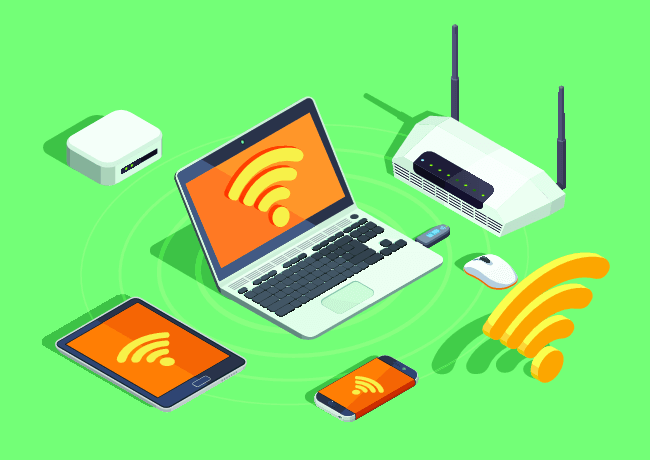
The breakthrough lies in the adoption of standardized Neighbor Awareness Networking (NAN), commercially known as Wi-Fi Aware. This protocol allows devices to discover one another and establish a data connection without requiring a traditional Wi-Fi access point or internet connection. Previously, while Android Phones championed open standards, other ecosystems utilized strictly gated variations.
With the enforcement of universal standards, all devices are now compelled to utilize a common discovery frame. Here is how the technical handshake works in this new unified environment:
- Discovery (BLE): The device broadcasts a Bluetooth Low Energy packet advertising its presence. Under the new standards, this packet must follow a universal structure readable by any compliant OS.
- Handshake (Wi-Fi Aware): Once discovered, the devices negotiate a direct Wi-Fi connection. This bypasses the router entirely, creating a high-bandwidth tunnel directly between the two gadgets.
- Authentication: Cryptographic keys are exchanged to ensure the sender is authorized (e.g., is in the user’s contacts) before the data pipe is opened.
The Role of Hardware Uniformity
This shift highlights a critical aspect of modern Android Gadgets: the hardware has always been ready. Modern Snapdragon, MediaTek, and Tensor chipsets have supported these Wi-Fi alliances standards for years. The limitation was never about the capability of the radio antennas but rather the restrictive protocols governing them. Now that regulatory bodies are mandating adherence to open IEEE standards for local data transfer, the software shackles are being removed, allowing the hardware to perform at its theoretical limit regardless of the receiving device’s brand.
Breaking the Walled Garden: Real-World Implications for Android Users
Artificial intelligence analyzing image – Convergence of artificial intelligence with social media: A …
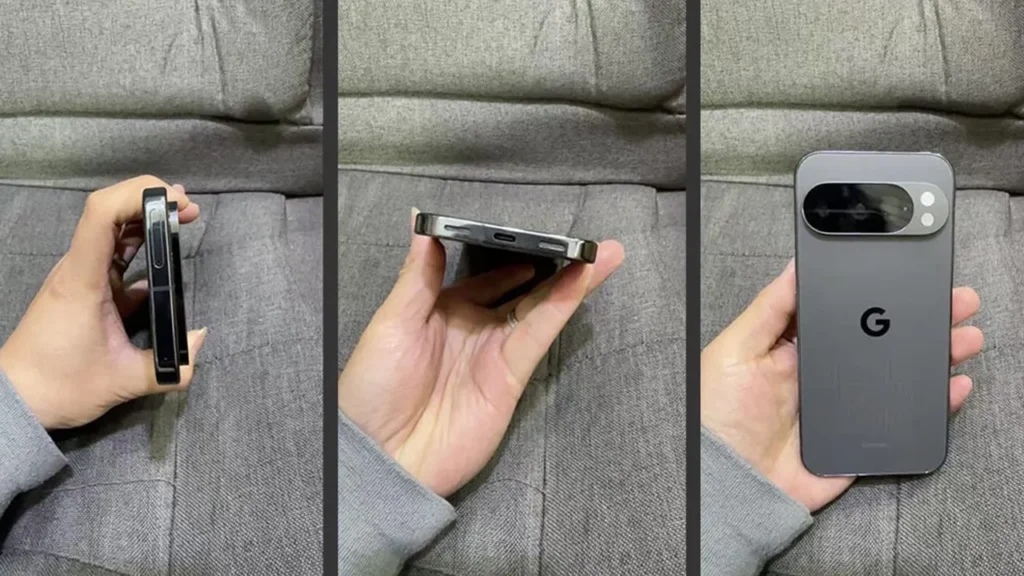
The implications of this interoperability are profound for the daily workflow of Android users. The friction that once existed in mixed-device environments is dissipating, making Android Phones more viable than ever for creative professionals and corporate environments that were previously locked into a single ecosystem.
Case Study: The Creative Professional Workflow
Consider a videographer who shoots high-bitrate ProRes video on a high-end Android smartphone. In the past, transferring this footage to a client’s tablet (running a different OS) for on-site editing was a nightmare. The user had to:
- Upload gigabytes of data to a cloud service (requiring a strong internet connection).
- Wait for the client to download the files.
- Risk compression artifacts if using messaging apps.
With the new standardized Wi-Fi implementation, this process mirrors the convenience of same-ecosystem sharing. The Android device detects the tablet via the unified discovery protocol, establishes a Wi-Fi Direct link, and transfers the file at speeds exceeding 100MB/s. This effectively neutralizes the “ecosystem lock-in” argument that has kept many creatives away from Android hardware.
Impact on Social Dynamics and “Green Bubble” Stigma
Much of the social pressure surrounding mobile OS choice stems from the inconvenience imposed on the group. When a group of friends wants to share photos from a trip, the “one person” with an Android phone was often excluded from the instant sharing circle. By adopting universal Wi-Fi standards, Android Gadgets can now participate in these ad-hoc networks. This technical parity is likely to reduce the social friction associated with device choice, allowing consumers to pick phones based on features—like camera zoom, battery life, or screen foldability—rather than peer pressure.
The Expansion of the Ecosystem: Beyond Just Phones
While smartphones are the primary beneficiaries, the ripple effects of standardized local connectivity extend to the entire spectrum of Android Gadgets. The Internet of Things (IoT), smart home hubs, and wearables stand to gain significant utility from this shift.
Smart Home Interoperability
Smart displays and home hubs often serve as the central nervous system of a modern home. With universal local sharing, a guest can walk into a home and cast a photo or a song to a Google Nest Hub or similar Android-based smart display without needing to join the home’s Wi-Fi network or download a specific casting app. The handshake happens locally via the standardized Wi-Fi Aware protocol.
This is particularly relevant for Android News enthusiasts following the Matter standard. While Matter handles control (turning lights on/off), these new Wi-Fi standards handle high-bandwidth data (streaming video/audio). The combination of the two creates a truly agnostic smart home environment.
Wearables and Automotive
Artificial intelligence analyzing image – Artificial Intelligence Tags – SubmitShop
The automotive sector is another major beneficiary. Android Automotive OS is becoming prevalent in modern vehicles. With cross-platform local file standards, a passenger could theoretically “drop” a map location or a music playlist from any device directly to the car’s infotainment system instantly. Similarly, smartwatches that operate on Wear OS could exchange fitness data or watch faces with tablets or phones outside their native ecosystem, provided the developers implement the open API calls.

Security, Privacy, and Best Practices
With great connectivity comes great responsibility. Opening up Android Phones to communicate with a broader range of devices introduces new vectors for security risks. While the convenience is undeniable, users must understand the mechanics of visibility and encryption to protect their digital privacy.
The Risk of “Cyber-Flashing”
One of the downsides of open discovery protocols is the potential for unsolicited file transfers, often termed “cyber-flashing.” When a device is set to “Everyone” or “Discoverable,” it broadcasts its presence to every compatible device within Wi-Fi range (roughly 30 to 100 feet). Malicious actors can use this to send inappropriate images or phishing files.
Best Practice: Users should configure their Android Gadgets to restrict visibility to “Contacts Only” by default. The “Everyone” setting should be treated as a temporary mode, enabled only for the specific minute a transfer is taking place, and then immediately disabled.
Encryption and Data Integrity
Artificial intelligence analyzing image – Artificial intelligence in healthcare: A bibliometric analysis …
The new standards mandate Transport Layer Security (TLS) for the data transfer phase. This means that even though the connection is peer-to-peer and happens over the air, the data is encrypted in transit. An attacker sitting nearby with a Wi-Fi sniffer might see that a transfer is happening, but they cannot intercept the file itself.
However, users should be wary of “Spoofing.” This occurs when a malicious device changes its broadcast name to something familiar (e.g., “Mom’s Tablet”) to trick a user into accepting a connection. Always verify the transfer code or the context of the transfer before hitting “Accept” on your screen.
Battery Life Considerations
Constant scanning for nearby devices via Bluetooth LE and maintaining a Wi-Fi Aware state can consume battery power. While modern protocols are efficient, keeping discovery mode on 24/7 will result in noticeable drain.
Optimization Tip: Utilize the Quick Settings tiles on Android to toggle sharing features. Keep the feature off when not in use to maximize the battery life of your device.
Conclusion
The convergence of Wi-Fi standards represents a monumental victory for consumer choice and technological freedom. By forcing the adoption of open, interoperable protocols, the industry is finally tearing down the artificial walls that have separated Android Phones from the rest of the mobile world. This shift transforms Android Gadgets from isolated islands into universal connectors, capable of interacting seamlessly with any device regardless of the logo on the back.
For the end-user, this means the end of email attachments for self-transfers and the death of video compression when sharing memories with friends. However, as we embrace this open future, vigilance regarding privacy settings and security remains paramount. The technology has matured to the point where the operating system is no longer a barrier; now, it is up to the users to leverage this power responsibly. As Android News continues to evolve, this standardization stands out as one of the most practical quality-of-life improvements in the last decade of mobile computing.