We Hit Peak Smartphone Speed. It’s Boring.
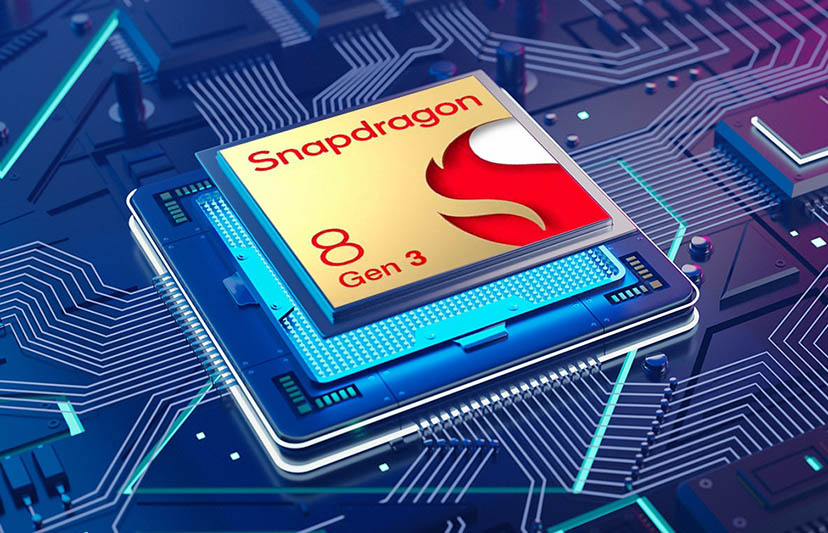
I looked at the Geekbench scores for the latest wave of Android flagships yesterday. The numbers are absurd. We are talking about scores that beat my laptop from three years ago. The new Snapdragon 8 Gen 5 chips are absolute monsters, crunching data faster than I can think of things to do with them.
And honestly? I couldn’t care less.
There was a time—maybe back around the Galaxy S8 or the OnePlus 7 Pro era—where “faster” meant “better.” You could feel the difference. Apps opened instantly instead of taking a breath. The keyboard didn’t lag when you typed furiously in a group chat. Speed was a feature.
Now? Speed is a marketing slide.
I’ve been carrying the new OnePlus 15 for a week alongside a Pixel from late last year. One of them has specs that look like a gaming PC; the other is powered by a chip that benchmarks like a mid-range potato. In daily use—checking emails, doom-scrolling, taking photos of my cat, navigating through a messy city center—I literally cannot tell the difference in speed. Not even a little bit.
The “Spec Sheet” Trap
We need to talk about the RAM situation. I saw a spec sheet recently boasting 24GB of RAM on a phone. Twenty-four. My work desktop has 32GB, and I run virtual machines on that thing.
What are we doing here? Android memory management is aggressive. It kills background apps to save battery regardless of how much RAM you have. I tried to keep twenty apps open on the 24GB device, and when I went back to the first one an hour later, it still reloaded. The hardware is writing checks the software doesn’t want to cash.
It feels like car manufacturers putting a V12 engine in a golf cart. Sure, it can go 200mph, but you’re driving on a golf course. The limitation isn’t the engine; it’s the grass.
I had a conversation with a friend who develops mobile games. He told me they don’t even optimize for these top-tier chips because 95% of their user base is on three-year-old Samsungs or budget Motorolas. So that raw power sits there, idling, draining battery, waiting for a use case that doesn’t exist yet.
If Not Speed, Then What?
So if I’m telling you to ignore the processor speed and the RAM count in 2026, what actually matters? I’ve switched phones four times in the last six months (occupational hazard), and the things that actually made me keep a SIM card in a device were never the benchmark scores.
1. The Battery Chemistry Shift
This is the real story nobody is screaming about enough. The shift to silicon-carbon batteries has been the only hardware upgrade that changed my life this year. We finally broke the density wall.
I used a phone last month that was thinner than a pencil but packed a 6,000 mAh cell. That’s the dream. I forgot to charge it on a Tuesday night, woke up Wednesday with 38%, and didn’t panic. That feeling of “battery anxiety” disappearing is worth infinitely more than a 15% bump in CPU clock speed.
2. On-Device AI That Isn’t Stupid
I know, I know. “AI” is the buzzword that makes everyone roll their eyes. But I’m not talking about generating weird pictures of astronauts riding horses. I’m talking about the utility stuff.
The other day, I recorded a messy, hour-long interview in a noisy coffee shop. The phone didn’t just transcribe it; it cleaned the audio so I could actually hear what the guy was saying, and then formatted the notes into bullet points. That happened locally, on the device, in seconds. That requires a specific kind of processing power (NPU), not just raw CPU grunt.
If you’re buying a phone in 2026, look at the NPU specs, not the GHz. That’s where the magic is happening.
The Ecosystem Lock-in Is Real (and Annoying)
Here’s a frustration I ran into last week: I tried to use a Galaxy Watch with a Pixel, and then some OnePlus buds with a Samsung. It was a mess.
We used to make fun of Apple for their “walled garden,” but Android manufacturers have built their own little fences. High-res audio codecs that only work if you pair Brand A headphones with Brand A phone. Health tracking features that get disabled if you don’t use the manufacturer’s specific watch app.
I spent an hour trying to get my high-end earbuds to switch seamlessly between my tablet and my phone. It never worked right. I eventually gave up and just manually paired them every time.
It’s stupid. The whole point of Android was choice. If I have to buy the watch, the buds, and the tablet from the same company to get basic functionality, I might as well just buy an iPhone and be done with it. (Don’t tell my editor I said that).
The “Pro” User Myth
Marketing teams love to use the word “Pro.” But who is this “Pro” Android user?
Is it the videographer? Maybe. But they are probably shooting on a dedicated camera or, let’s be honest, an iPhone because of ProRes log recording. Is it the gamer? Sure, the ROG Phones of the world have a niche, but mobile gaming is still dominated by casual titles, not AAA ports.
I think the real “Pro” user in 2026 is the person who needs their phone to be a reliable assistant, not a pocket supercomputer. We need better modems for reliable 5G in crowded stadiums. We need screens that don’t shatter when you look at them wrong. We need software that doesn’t serve us ads in the settings menu.
So, Should You Upgrade?
If you’re holding a phone from 2023 or later, the answer is probably no. I don’t care how shiny the OnePlus 15 or the Galaxy S26 looks.
The diminishing returns have hit hard. The photos from a Pixel 8 Pro (which is, what, two and a half years old now?) still look fantastic. The apps still run fine.
But if you are buying, stop looking at the “Speed” section of the review. Skip the benchmarks. Look for:
- Charging speed: Can it hit 50% in the time it takes to shower? (80W+ charging is a godsend).
- Thermal management: Does it get hot when you’re just using Maps?
- Software support: Are they promising 7 years of updates, and do you believe them?
Power is boring. Speed is a solved problem. I want a phone that lasts two days and doesn’t annoy me. That’s the new benchmark.