The Dual Identity of the Android Ecosystem: Flagship Innovation vs. Budget Dominance
The global smartphone landscape is a study in contrasts. On one end of the spectrum lies the pursuit of absolute perfection—titanium frames, AI-integrated processors, and camera systems that rival professional DSLRs. On the other end lies the pragmatic reality of the global consumer market: the need for reliable, affordable connectivity. While headlines in Android News often obsess over the latest “Ultra” or “Pro” models, the true engine driving the operating system’s global market share is often found in the modest, hardworking mid-range sector.
For years, the narrative has been consistent. A specific competitor in Cupertino dominates the premium segment, capturing the lion’s share of industry profits. However, the Android ecosystem plays a different, perhaps more vital game: ubiquity. By offering a device for every price point, Android Phones have become the default computing platform for billions. This article delves deep into this dichotomy, exploring how top-tier manufacturers like Samsung and Google balance the prestige of their flagships with the massive sales volume of their budget-friendly A-series and A-lineup devices, and what this means for the consumer looking to make a purchase in 2024 and beyond.
Section 1: The Landscape of Android Phones in the Modern Era
To understand the current state of the mobile market, one must look beyond the glossy advertisements for thousand-dollar devices. The Android ecosystem is vast, fragmented, and incredibly competitive. It is defined by a tiered structure that serves distinct consumer bases, yet all run on the same core software backbone.
The “Volume Driver” Phenomenon
While tech enthusiasts clamor for the Snapdragon 8 Gen 3 processors and 200-megapixel sensors, the sales data tells a different story. The best-selling Android Phones globally are rarely the flagships. Instead, they are the successors to the Galaxy A15, the Redmi Note series, and the Moto G lineup. These devices have cracked the code of “value proposition.”
Manufacturers like Samsung have mastered this strategy. They utilize the marketing halo of the Galaxy S series to build brand prestige, which then trickles down to influence the purchase of Galaxy A series phones. A consumer might desire the S24 Ultra but will purchase a Galaxy A-series model because it fits their budget while still carrying the trusted brand name and a similar design language. This segment is where Android leads the world—providing 80% of the flagship experience for 30% of the price.
The Flagship Ceiling
Conversely, the premium segment is where innovation happens. This is the battleground for “firsts.” It is where we see the introduction of folding glass, periscope zoom lenses, and on-device Generative AI. The premium Android market is currently defined by a push toward ecosystem lock-in. It is no longer enough to sell a phone; manufacturers want to sell Android Gadgets alongside it—watches, earbuds, and tablets that work seamlessly together.
However, the ceiling for what consumers are willing to pay is being tested. As prices creep upward, the distinction between a $400 phone and a $1,200 phone is becoming harder to justify for the average user, leading to a surge in the “premium mid-range” category. This shift is reshaping how companies allocate their R&D budgets, focusing heavily on software longevity and AI features to justify the flagship premium.
Section 2: Detailed Analysis of the Hardware Divide
When comparing the top-tier market leaders against the high-volume budget champions, the technical differences are becoming more nuanced. It used to be that a budget phone meant a terrible screen and a laggy interface. Today, that gap has narrowed significantly, changing the way we evaluate Android News and hardware releases.
Display Technology: The Great Equalizer
One of the most significant shifts in the last two years is the democratization of OLED technology. Previously reserved for flagships, high-refresh-rate AMOLED panels (90Hz or 120Hz) are now standard on best-selling mid-range devices.
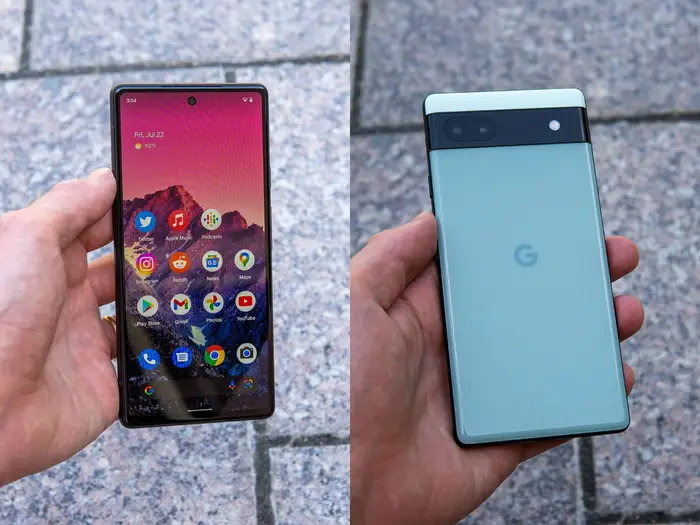
For example, a typical high-volume Android phone now features a 6.5-inch Super AMOLED display. While it may lack the LTPO technology (which allows the refresh rate to drop to 1Hz to save battery) found in premium models, the visual experience for streaming video and browsing social media is virtually indistinguishable to the untrained eye. This visual parity is a major reason why the mid-range sector is exploding; consumers no longer feel like they are looking at a “cheap” screen.
Processing Power and AI Integration
This is where the divergence remains sharpest. Flagship Android Phones utilize top-tier silicon like the Qualcomm Snapdragon 8 series or MediaTek Dimensity 9000 series. These chips are not just about raw speed; they contain dedicated Neural Processing Units (NPUs) capable of handling complex on-device AI tasks, such as live translation, magic eraser photo editing, and generative text creation.
In contrast, the volume-driving budget phones often rely on Exynos or lower-tier Snapdragon chips. While perfectly capable of handling daily tasks like email, navigation, and light gaming, they struggle with heavy multitasking and high-fidelity 3D gaming. However, for the demographic buying these phones, raw horsepower is secondary to battery life. Interestingly, the less powerful chips often draw less power, which, combined with the massive 5,000mAh batteries standard in this segment, often results in budget phones outlasting flagships in endurance tests.
Camera Systems: Hardware vs. Software
The camera remains the primary differentiator. Flagships utilize massive 1-inch sensors and complex periscope telephoto lenses that physically move to achieve optical zoom. They deliver distinct depth of field and superior low-light performance.
However, mid-range phones have adopted a “main sensor priority” strategy. They often feature a high-megapixel primary camera (50MP is common) that uses pixel binning to produce great daylight shots. They cut costs by including inferior ultra-wide sensors and often useless “macro” sensors. Yet, for the average user posting to Instagram or TikTok, the primary camera on a modern mid-range Android phone is more than sufficient, further cementing the dominance of models like the Galaxy A series in the global sales charts.
Section 3: Implications and Insights for the Ecosystem
The sales data and technical trends reveal profound implications for the future of mobile computing. The dominance of budget-friendly Android Phones over their flagship counterparts in terms of pure volume suggests a maturity in the smartphone market that manufacturers must navigate carefully.
The “Good Enough” Threshold
We have reached a technological plateau where the “good enough” threshold is exceptionally high. A $300 Android phone today is faster, takes better photos, and charges more quickly than a $1,000 flagship from four years ago. This reality poses a threat to flagship sales margins.
To combat this, manufacturers are pivoting to software as a service. We are seeing extended software support promises—up to seven years of OS updates from companies like Google and Samsung. This strategy applies pressure on the budget market. If a flagship lasts seven years, the cost-per-year ownership drops, potentially making premium phones more attractive as long-term investments. However, the upfront cost remains a barrier for the majority of the global population, ensuring the mid-range segment remains the volume king.
The Role of Ecosystem Lock-in
As hardware sales plateau, profit growth must come from accessories. This is where Android Gadgets come into play. The success of a phone model is now intrinsically linked to how well it pairs with a smartwatch or a pair of noise-canceling earbuds.

Samsung has been particularly aggressive here, creating features that only work when a Galaxy phone is paired with Galaxy Buds or a Galaxy Watch. This mimics the “walled garden” approach of their primary competitor. For the consumer, this means that buying a phone is no longer an isolated decision; it is a commitment to a platform. Even budget phone buyers are being courted into this ecosystem, with affordable versions of wearables (like “FE” or “A” series buds) launching alongside the high-volume phones.
Case Study: The Enterprise vs. The Gig Economy
Consider two real-world scenarios that highlight this divide:
- Scenario A (The Power User): A corporate executive relies on DeX (Samsung’s desktop experience), needs to sign documents with an S-Pen, and requires top-tier security (Knox) for sensitive data. For this user, the flagship S-series is a non-negotiable tool. The cost is irrelevant compared to the utility.
- Scenario B (The Gig Worker): A delivery driver needs a phone with a battery that lasts 12 hours with GPS running, a screen bright enough to see in sunlight, and a price tag that doesn’t ruin them if the phone is dropped on pavement. For this user, a Galaxy A-series or a Moto G is superior to a flagship. It offers the specific utility needed without the liability of a glass-sandwich design that costs $1,200 to replace.
Section 4: Recommendations and Best Practices
Navigating the market of Android Phones can be overwhelming due to the sheer number of options. Whether you are following the latest Android News or just looking for a reliable device, here are the key considerations and pros/cons of the current market tiers.
Pros and Cons of the Market Leaders
The Flagship Tier (e.g., Galaxy S Ultra, Pixel Pro)
- Pros: Unmatched camera versatility (zoom is the killer feature), best-in-class displays, 5-7 years of software support, premium build materials (Titanium/Glass), access to advanced AI features.
- Cons: Exorbitant pricing, diminishing returns on performance for average users, often heavier and more fragile due to glass construction, battery life can be inconsistent due to high-power processors.
The Volume Tier (e.g., Galaxy A Series, Pixel A Series)
- Pros: Exceptional value for money, often better battery life than flagships, retains essential features (sometimes even headphone jacks or SD card slots in lower tiers), increasingly good main cameras.
- Cons: Secondary cameras are often poor, build quality uses more plastic (though this is more durable), slower charging speeds, processor may throttle during heavy gaming, thicker bezels.
Buying Advice for 2024
1. Prioritize Software Support: When buying a mid-range phone, look for manufacturers that guarantee at least 3-4 years of security updates. This extends the life of the device significantly and protects your data. Samsung and Google are currently the leaders in this regard across all price points.
2. Don’t Overpay for ISP Contracts: The “free” flagship phone on a contract often hides the true cost in inflated monthly plans. Because mid-range Android phones are so affordable, buying one outright (unlocked) often saves consumers hundreds of dollars over a two-year period compared to a subsidized flagship.
3. Look for “Last Year’s” Flagship: A hidden gem in the Android market is the previous year’s flagship. A Galaxy S23 or Pixel 8 often costs the same as a brand-new mid-ranger but offers superior build quality and cameras. The only trade-off is one year less of software support.
4. Assess Your “Gadget” Needs: Before choosing a phone, look at the available Android Gadgets. If you want a specific smartwatch, ensure the phone you choose supports all its features. Cross-brand compatibility is generally good in Android, but proprietary features are becoming more common.
Conclusion
The narrative of the smartphone war is often painted as a binary conflict between two major brands. However, the reality within the Android ecosystem is far more complex and interesting. While the headlines and the prestige belong to the iPhone 16s and Galaxy S24 Ultras of the world, the backbone of the global digital economy is built on the Galaxy A16s and their peers.
Android’s strength lies in this diversity. It is the only ecosystem that successfully services the billionaire and the student simultaneously, offering a tailored experience for both. As we move forward, the gap between these two worlds will continue to close in terms of user experience, even if the price gap remains wide. For the consumer, this is the golden age of choice. Whether you prioritize the cutting-edge innovation of a flagship or the pragmatic reliability of a volume driver, there is an Android device built exactly for your needs.