I Ditched My $1,200 Flagship for a Budget Android: Here’s What Happened
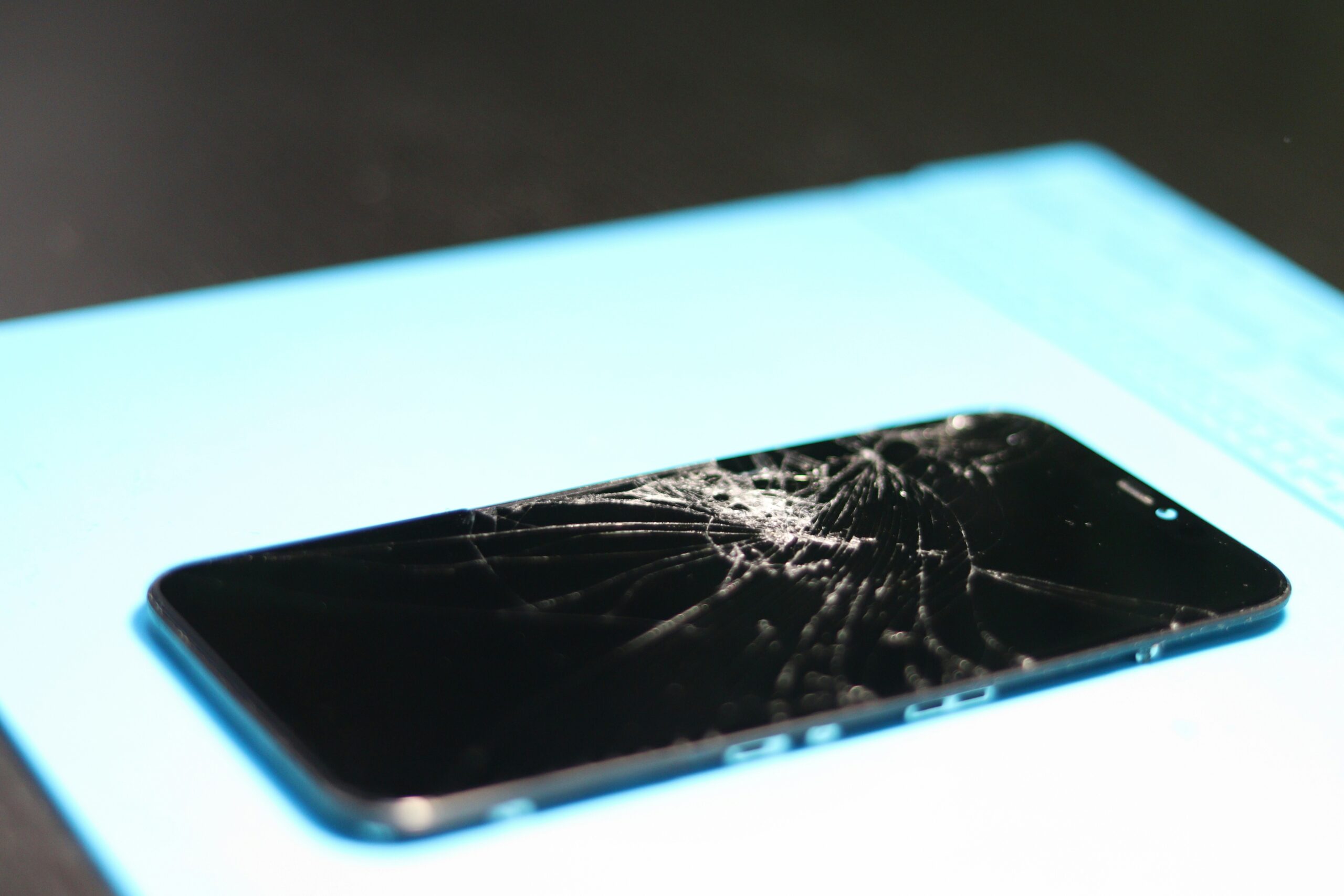
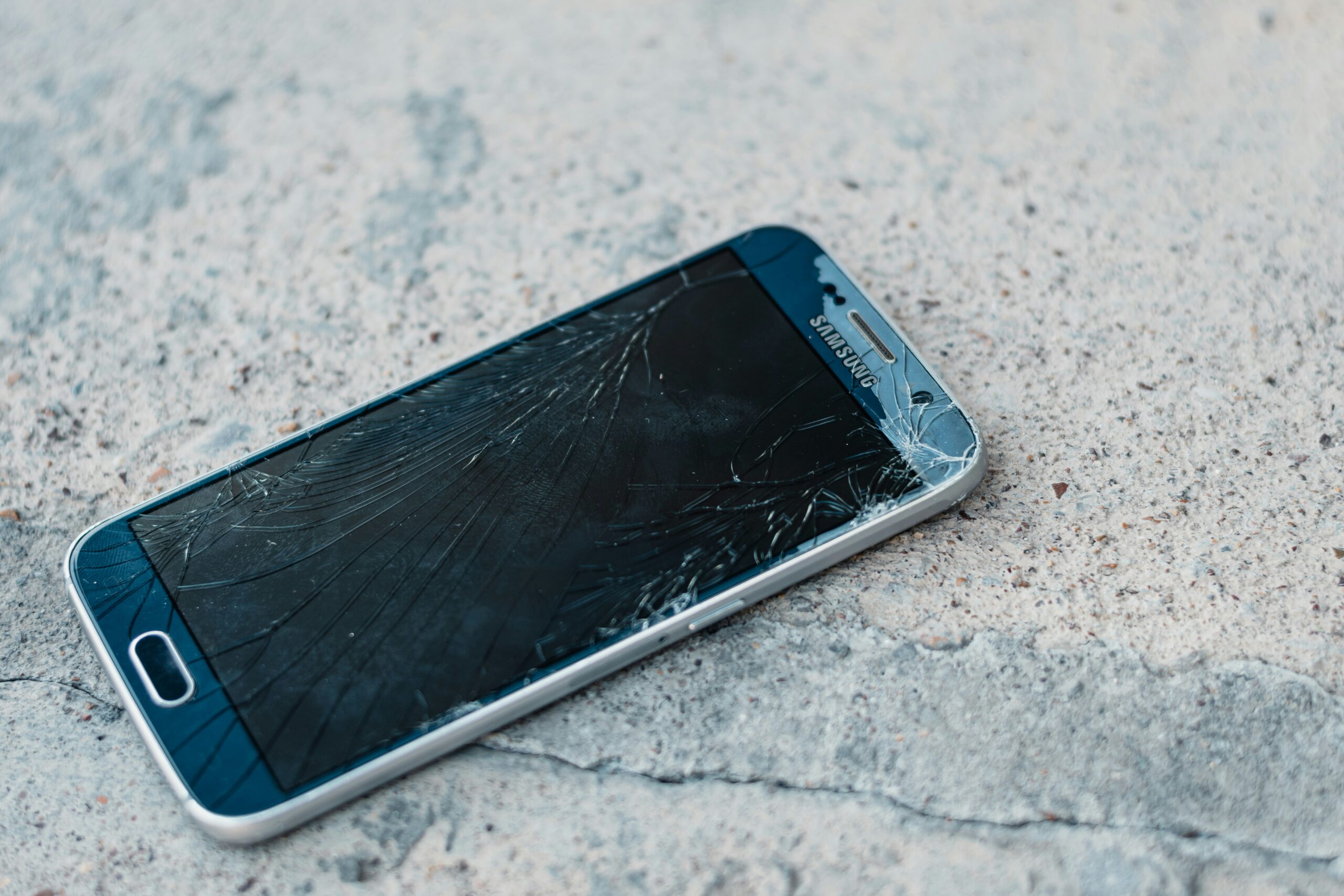
I distinctly remember the sound. It was a sickening crunch against the pavement in the parking lot of my local grocery store. My top-tier, ceramic-backed, quad-camera beast of a smartphone had slipped out of my pocket while I was fumbling for keys. Despite the “military-grade” protection case, the screen looked like a spiderweb of shattered glass.
Facing a repair bill that cost more than a mid-range laptop, or a replacement cost that rivaled my monthly rent, I decided to run an experiment. I walked into an electronics store and bought a $200 Android phone. No trade-ins, no carrier contracts, just two crisp Benjamins.
My plan was to use it as a temporary burner until I could justify the expense of a new flagship. That was three weeks ago. Today, my broken flagship sits in a drawer, and I have zero intention of going back. The landscape of Android phones has shifted right under our noses, and honestly, I feel a bit foolish for overpaying for so long.
The “Good Enough” Threshold Has Been Obliterated
For years, tech reviewers (myself included) have parroted the idea that budget phones are “good enough for basic tasks.” That usually meant they could handle WhatsApp and email, but would choke if you tried to edit a video or play a decent game. In late 2025, that narrative is dead.
The silicon inside this $200 device isn’t just passable; it’s genuinely fast. We aren’t dealing with the stuttery, lag-prone chips of five years ago. I’m running multiple apps, switching between navigation and Spotify, and even doing some light photo editing in Lightroom Mobile without a single hiccup. The 120Hz refresh rate—a feature reserved for the elite tier just a few years back—is present here, making every scroll feel buttery smooth.
It forces me to ask: what exactly was I paying that extra $1,000 for? Sure, my old phone opened apps maybe 0.2 seconds faster. But in real-world usage, the difference is imperceptible. I’m not running benchmarks for a living; I’m trying to get through my day. If this is what “budget” performance looks like now, the premium market has a serious value proposition problem.
Plastic is Fantastic (No, Really)
One of the first things you notice with affordable Android phones is the build materials. There is no titanium frame or frosted glass back here. It’s polycarbonate—fancy talk for plastic. And you know what? I prefer it.
When I dropped my expensive phone, it shattered because glass is rigid and brittle. Plastic absorbs impact. I’ve already knocked this new phone off my nightstand twice (I’m clumsy, I know), and it just bounced. No cracks, no panic attacks. It’s also significantly lighter. Holding a massive glass-and-metal slab while reading in bed used to cramp my pinky finger. This device feels airy and comfortable.
There is a weird psychological freedom in carrying a device that doesn’t feel like a piece of jewelry. I don’t baby it. I don’t freak out if it slides across a table. It feels like a tool, not a status symbol, and that utilitarian vibe is incredibly refreshing.
The Battery Life That Embarrasses Flagships
Here is the biggest shocker of my experiment. My old flagship, with its power-hungry 4K display and overclocked processor, struggled to make it past 8:00 PM without a top-up. I was constantly scanning rooms for power outlets or carrying a power bank like a survivalist.
This $200 handset? It’s a marathon runner. Because the processor is more efficiency-focused and the screen, while great, isn’t pushing unnecessary pixels, I am ending my days with 35% or 40% battery left. I actually forgot to charge it two nights ago, woke up with 28%, and still made it through my morning commute and meetings until lunch.
It turns out that chasing the absolute highest specs often comes at the cost of endurance. By stepping down a tier, I’ve actually upgraded my uptime. For anyone who works long hours or travels frequently, this reliability beats a slightly sharper screen any day of the week.
Where You Actually Feel the Pinch
I want to be transparent here because this isn’t a perfect device. There are compromises, and depending on your priorities, they might be dealbreakers. The most obvious one is the camera system.
In perfect lighting, the photos are crisp, colorful, and social-media-ready. The computational photography in Android News cycles lately has trickled down effectively. However, as soon as the sun sets, the gap widens. Low-light shots are noisier, and the shutter lag is noticeable. If you have a toddler or a pet that refuses to sit still, you might miss the shot. Also, the zoom is purely digital. If I try to punch in 5x to capture something far away, it looks like an oil painting.
The other downside is the haptics. That tight, precise vibration you get on a high-end phone when typing? It’s missing here. The vibration motor feels mushy and loud. It’s a small detail, but it’s one of those subtle things that screams “budget.” I ended up turning keyboard haptics off entirely because it was annoying me.
Lastly, wireless charging is absent. I have a charging pad on my desk that is now a glorified coaster. I have to plug a cable in like a caveman from 2018. Is it a tragedy? No. Is it a minor inconvenience I notice daily? Yes.
Software: The Gap is Closing
One of my biggest fears going into this was software support. Historically, cheap Android phones were sent out to die with outdated security patches and zero OS upgrades. That has changed dramatically.
This manufacturer promises three years of OS updates and four years of security patches. That is respectable. The interface is clean, running the latest version of Android with very little bloatware. I did spend about ten minutes uninstalling some pre-loaded games and a shopping app, but after that initial cleanup, the experience has been stock-like and responsive.
I’m also seeing features that used to be flagship-exclusive appearing here. The on-device AI translation features work perfectly. The customization options for the lock screen are all present. I’m not feeling like a second-class citizen in the software ecosystem, which was my primary hesitation.
The Financial Epiphany
Let’s talk about the money. By spending $200 instead of $1,200, I saved $1,000. That is not a trivial amount. That’s a round-trip international flight. That’s a significant contribution to an emergency fund. That’s a high-end laptop.

When you look at it that way, the value proposition of flagship phones starts to crumble. Is the camera on the flagship $1,000 better? Is the slightly nicer vibration motor worth the price of a used car? For me, the answer has become a resounding no.
We have been conditioned by marketing to believe that we need the “Pro” or “Ultra” version of everything to be productive or happy. But looking at the current crop of Android Phones, the mid-range and budget sectors are where the real innovation is happening. They are bringing 90% of the experience for 20% of the price.
Who is This For?
If you are a professional content creator who needs pristine 4K video at 60fps in low light, stick with the flagship. You are the niche audience that actually utilizes that hardware. For the rest of us? The students, the office workers, the parents, the commuters? We are overpaying for specs we never use.
I used to scoff at people who bought “cheap” phones, assuming they just didn’t care about technology. Now I realize they were just smarter with their money than I was. They understood that technology is a depreciating asset and that the curve of diminishing returns kicks in hard after the $400 mark.
The Ecosystem Factor
Another interesting observation involves how this phone plays with other Android Gadgets. I was worried my smartwatch or wireless earbuds would have connectivity issues or lose features. Surprisingly, the integration is seamless. Fast pair works instantly. My watch still tracks my runs and syncs notifications without delay.
The democratization of the Android ecosystem means that accessories don’t discriminate based on the price of the host device anymore. Bluetooth 5.4 is standard across the board now. The latency is low, the connection is stable, and the experience is identical to what I had with my flagship.
A Note on the Headphone Jack
I have to mention this because it brought a genuine smile to my face: this phone has a 3.5mm headphone jack. I dug out my old pair of high-end wired IEMs (In-Ear Monitors) that have been gathering dust for years. Plugging them in and listening to lossless audio without a dongle felt like a luxury feature, ironically found only on the “budget” device.
Why I’m Staying
I’m writing this article on the phone itself, using a Bluetooth keyboard at a coffee shop. The screen is bright enough to fight the glare from the window. The battery is sitting comfortably at 82%. And my bank account is healthier than it would have been if I had rushed to buy the latest Ultra model.
There is a lot of noise in Android News about the next big AI breakthrough or the next folding form factor. While those are interesting, the most practical revolution is happening at the bottom of the market. The floor has been raised so high that the ceiling doesn’t matter as much as it used to.
I entered this experiment out of necessity, viewing it as a penalty box until I could get back to the “real” tech. I’m exiting the experiment as a convert. This $200 phone isn’t just a refreshing reminder that I don’t need to pay for flagships; it’s a wake-up call that the smartest tech purchase in 2025 isn’t the one with the highest number on the spec sheet.
So, before you drop a mortgage payment on your next upgrade, go to a store and actually handle one of these modern budget devices. Ignore the marketing hype and trust your eyes. You might just find, like I did, that the cheaper option isn’t a downgrade—it’s a liberation.