Revolutionizing the Coil: The Impending Era of Super Fast Wireless Charging on Android Phones
Introduction
In the rapidly evolving world of mobile technology, the tether to the wall outlet remains one of the final frontiers of friction. For years, Android Phones have led the charge in battery innovation, pushing the boundaries of capacity and wired charging speeds. However, wireless charging has often played the role of a convenient, albeit slower, alternative—a feature designed for overnight bedside tables rather than quick mid-day top-ups. That paradigm is on the verge of a seismic shift.
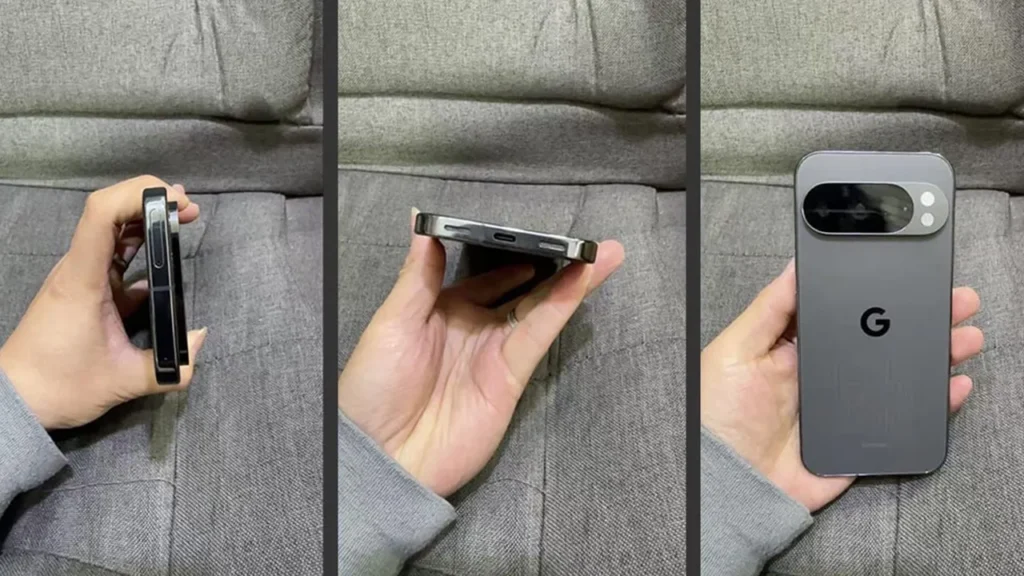
Recent developments in the industry, fueled by software teardowns and firmware analysis, suggest that major manufacturers are preparing to unlock a new tier of wireless power. We are moving away from the standard 15W speeds that have defined the baseline for years and entering an era of “Super Fast” wireless charging. This evolution is not merely about saving minutes; it is about fundamentally changing how users interact with their devices. As Android News outlets buzz with speculation regarding upcoming firmware updates, it is becoming clear that the hardware capabilities of modern flagships are finally being unleashed by sophisticated software management.
This article delves deep into the mechanics of high-speed wireless charging, the implications for the Android ecosystem, and what this means for the longevity and utility of your Android Gadgets. We will explore the technical hurdles of heat dissipation, the fragmentation of charging standards, and the future where the distinction between wired and wireless speeds becomes negligible.
Section 1: The Current Landscape of Wireless Power
From Convenience to Necessity
Wireless charging began as a novelty—a “nice to have” feature that allowed users to drop their phone on a pad to maintain battery levels. The universal standard, Qi (pronounced “chee”), established a baseline of interoperability. However, for a long time, Qi charging was limited to 5W or 7.5W, speeds that were agonizingly slow compared to the rapid advancement of USB-C wired charging.
As Android Phones grew more powerful, with larger screens and 5,000mAh batteries, the demand for faster power delivery increased. This led to a bifurcation in the market. On one side, we have the “Safe Standard,” generally capping out at 15W for most devices using third-party chargers. On the other side, we have proprietary solutions from manufacturers like OnePlus, Xiaomi, and Honor, who have pushed speeds to 50W, 80W, and even 100W wirelessly using proprietary stands.
The Samsung and Google Approach
Historically, giants like Samsung and Google have played it safe. While Chinese OEMs were racing toward triple-digit wattages, the Galaxy and Pixel lines maintained more conservative speeds, typically peaking around 15W to 23W. This conservatism was rooted in thermal management and battery health preservation. However, the landscape is shifting.
Recent analysis of system applications and UI codes indicates a strategic pivot. Terms like “Super Fast Wireless Charging” are beginning to appear in system firmware, distinct from the existing “Fast Wireless Charging” nomenclature. This suggests that upcoming updates or hardware releases will bridge the gap, potentially pushing speeds into the 45W+ territory for mainstream global flagships. This move is significant because it signals that the industry leaders are confident they have solved the thermal equations necessary to pump high wattage through an induction coil without degrading the battery.
The Fragmentation Problem
One of the biggest hurdles in Android News discussions regarding charging is compatibility. Currently, if you buy a generic wireless charger, you are likely limited to slow speeds regardless of your phone’s potential. To achieve “Super Fast” speeds, the phone and the charger must speak the same language—literally. They perform a digital handshake where the charger identifies the device’s thermal limits and maximum intake.
With the rumored upgrades to charging protocols in upcoming One UI and Android versions, we may see a push for better standardization or, conversely, a stricter requirement for proprietary accessories to unlock these new “Super Fast” tiers. This mirrors the wired charging landscape, where specific cables and bricks are required to hit peak speeds.
Artificial intelligence analyzing image – Convergence of artificial intelligence with social media: A …
Section 2: The Engineering Behind the Speed
Induction, Heat, and Efficiency
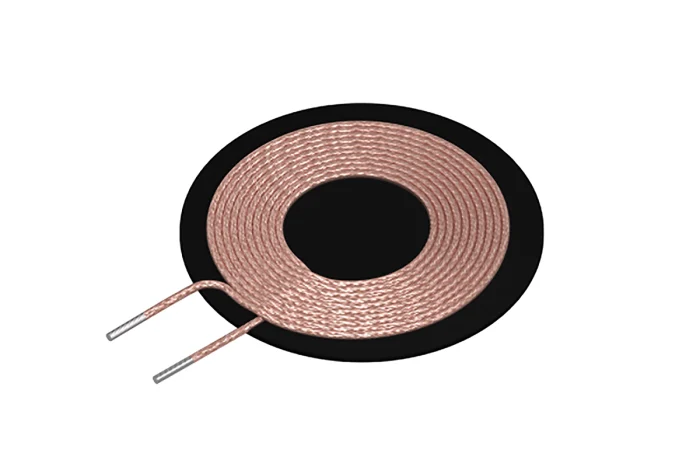
To understand why a jump from 15W to roughly 50W is a massive technical leap, one must understand the physics of inductive charging. Wireless charging works by passing an alternating current through a transmitter coil in the charger, which generates a fluctuating magnetic field. This field induces an alternating current in the receiver coil inside the phone.
The byproduct of this process is heat. Inefficiency in the transfer results in energy being lost as thermal radiation. At 5W, this heat is negligible. At 15W, it is manageable. But as you approach 45W or 50W, the heat generated can be enough to throttle the processor or damage the battery chemistry over time. This is why “Super Fast” wireless charging requires more than just a software switch; it requires a holistic engineering approach.
Active Cooling Systems
The “hidden code” and leaks regarding new charging capabilities often correlate with new accessory hardware. You cannot simply push 50W through a flat, passive plastic puck. High-speed wireless charging requires active cooling. This involves:
- Internal Fans: The charging stand itself must have a fan to dissipate heat from the coils and the back of the phone.
- Airflow Channels: The design of the stand must channel cool air over the device’s chassis.
- Peltier Cooling: Some advanced chargers use thermoelectric cooling to actively chill the surface of the phone.
When Android Phones detect these specific cooling-enabled chargers, the software unlocks the higher wattage profiles. This is a critical safety feature: the phone will not request “Super Fast” power unless it confirms the charger can handle the thermal load.
Dual-Cell Battery Architecture
Another method manufacturers use to achieve these speeds is splitting the battery. Instead of one large 5,000mAh cell, the phone contains two 2,500mAh cells connected in series. This allows the phone to charge both cells simultaneously. Effectively, if you are charging at 50W, each cell is only receiving 25W. This drastically reduces the heat generated per cell and allows for much faster charging curves without overwhelming the chemical structure of the battery.
The Role of Software and AI
The latest Android Gadgets are utilizing AI to manage these charging cycles. The “major upgrade” hinted at in recent reports likely involves sophisticated power management integrated circuits (PMIC). These chips constantly monitor the battery’s temperature, voltage, and current. If the temperature spikes, the software micro-adjusts the wattage thousands of times per second.
For example, a phone might charge at 50W for the first 10 minutes (0% to 40%), then drop to 30W as the battery warms up, and finally trickle charge the last 10% to preserve health. This dynamic throttling is what makes modern high-speed wireless charging viable for daily use.
Section 3: Implications for the Ecosystem
The Convergence of Qi2 and MagSafe
Artificial intelligence analyzing image – Artificial Intelligence Tags – SubmitShop
While proprietary speeds are increasing, the baseline is also evolving. The introduction of Qi2, which incorporates the Magnetic Power Profile (MPP) based on Apple’s MagSafe, is a game-changer for Android Phones. Magnets ensure perfect alignment between the coils. Misalignment is a primary cause of heat and inefficiency in wireless charging. By guaranteeing alignment, Qi2 allows for safer, faster charging across different brands.
However, the rumored “Super Fast” upgrades from manufacturers like Samsung seem to target speeds well beyond the 15W limit of Qi2. This suggests a two-tier future:
- Universal Convenience: Qi2 magnetic charging for standard 15W speeds (car mounts, desk stands).
- Proprietary Performance: Brand-specific stands for 45W+ speeds (rapid top-ups).
Impact on Battery Health
A common concern among users reading Android News is battery degradation. Does pumping 50W wirelessly kill your battery faster? The answer is nuanced. Heat is the enemy, not necessarily the speed itself. If the active cooling systems work as intended, a 50W wireless charge might actually be cooler than a 25W wired charge that lacks external airflow.
Furthermore, new battery chemistries (such as silicon-carbon anodes) are being developed to withstand higher current inputs. The software upgrades accompanying these charging boosts often include “Battery Protection” modes, allowing users to cap charging at 80% to extend the lifespan, even when using super-fast chargers.
Case Study: The “Top-Up” Lifestyle
Consider the professional user scenario. You have a heavy day of usage—GPS navigation, video calls, and 5G tethering.
Scenario A (Old Tech): You place your phone on a standard 10W wireless pad during a 30-minute lunch. You gain perhaps 12-15% battery. You are still anxious about the evening.
Scenario B (New Tech): You place your phone on a proprietary “Super Fast” wireless stand. In that same 30 minutes, the phone charges from 20% to 75%. You leave for your afternoon meetings with full confidence.
This shift changes user behavior. It eliminates the “range anxiety” associated with smartphones and reduces the wear and tear on the USB-C port, which is a common point of failure.
Artificial intelligence analyzing image – Artificial intelligence in healthcare: A bibliometric analysis …
Section 4: Pros, Cons, and Recommendations
The Pros of Super Fast Wireless Charging
- Convenience: Drop-and-go simplicity without sacrificing speed.
- Port Preservation: Less physical plugging prevents USB-C port damage and debris accumulation.
- Ecosystem Synergy: Many high-speed stands can also charge Android Gadgets like earbuds and watches simultaneously.
- Smart Home Integration: Phones can act as smart displays while charging on stands, a feature increasingly supported by Android’s “Standby” modes.
The Cons and Pitfalls
- Cost: To access these speeds, you cannot use cheap third-party pads. You must buy expensive, proprietary chargers often costing $50-$100.
- Fan Noise: Active cooling fans in chargers can produce a whirring sound, which might be disturbing on a bedside table at night.
- Bulk: High-speed wireless chargers are larger and require their own high-wattage wall bricks and thick cables.
- Case Compatibility: Thick protective cases or those with metal kickstands can interfere with high-speed induction, forcing the charger to throttle down to safe speeds.
Best Practices for Android Users
If you are planning to upgrade to a phone that supports these new wireless speeds, keep the following tips in mind:
- Check the Protocol: Ensure your wall adapter supports the necessary PPS (Programmable Power Supply) standards required by the wireless stand. Often, the wireless stand needs a 65W brick to output 50W to the phone.
- Schedule Your Charging: Use software features to disable “Super Fast” wireless charging at night. You don’t need 50W speeds while you sleep; slow charging is better for battery health and eliminates fan noise.
- Remove Accessories: For maximum speed, remove magnetic card holders or PopSockets that create distance between the coils.
- Keep it Cool: Do not wireless charge in direct sunlight (e.g., a car dashboard) while using high-performance apps like Maps. The combined heat will trigger thermal throttling immediately.
Conclusion
The discovery of hidden codes and upcoming firmware updates signals a vibrant future for Android Phones. We are witnessing the maturation of wireless charging from a convenience feature into a performance feature. The ability to wirelessly charge a device almost as fast as plugging it in represents a significant engineering triumph.
While wired charging will likely always hold the crown for absolute raw speed and efficiency, the gap is closing. For the consumer, this means more choice and less friction. Whether you are a power user who needs a rapid boost between meetings or a casual user who appreciates a clutter-free desk, the next generation of Android charging technology promises to deliver power without the tether. As manufacturers like Samsung and Google prepare to unleash these capabilities, the ecosystem of Android Gadgets is set to become more seamless, powerful, and wireless than ever before.