
The Nvidia Shield TV is 7 Years Old and I’m Tired of Waiting
It’s 2026 and I’m still rebooting a device from 2019.
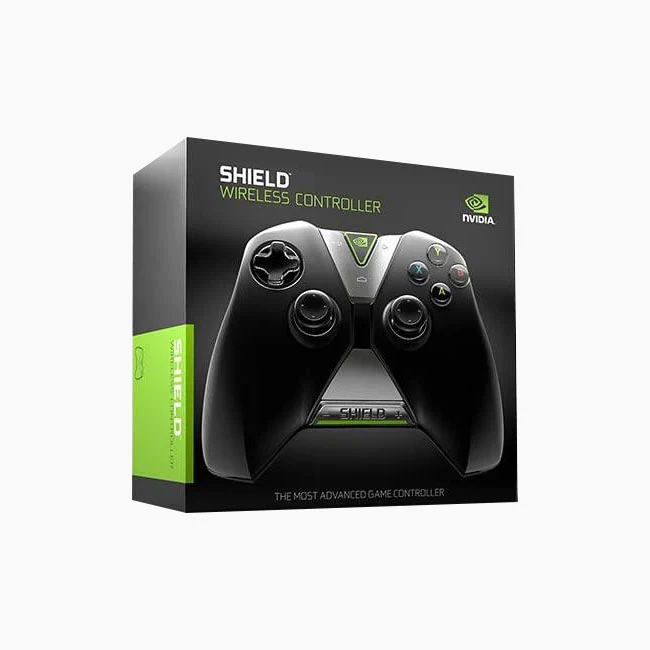
Look, I love my Shield TV Pro. I really do. It’s been the single best piece of hardware in my living room for nearly a decade. But let’s be real for a second: in tech years, the 2019 Shield is a dinosaur. It’s a T-Rex, sure—still powerful, still scary—but it’s old. And recent chatter from Nvidia suggesting they’d “love to” build a successor? That’s nice to hear, but talk is cheap when my UI is dropping frames.
Actually, I should clarify — I was messing around with my setup last Tuesday, trying to get a high-bitrate AV1 file to play smoothly on Plex. The result? A stuttery mess. Software decoding on the Tegra X1+ just doesn’t cut it anymore. It’s frustrating because the rest of the experience is still okay, but “okay” doesn’t justify the premium price tag the Shield has held onto for seven years.
The Hardware Gap is Getting Embarrassing
Here’s the thing. The Tegra X1+ chip inside the current Shield is basically a refreshed version of a chip from 2015. 2015! back when we were all excited about the iPhone 6s.
And fast forward to February 2026. My phone has more raw compute power than my laptop did five years ago. Meanwhile, the Shield is chugging along on architecture that predates TikTok. I ran a quick comparison last night between the Shield and the latest Apple TV 4K (the 2025 refresh). Loading into Netflix took 4 seconds on the Apple TV. On the Shield? 12 seconds. That doesn’t sound like much. But do that ten times a day. It adds up. It feels sluggish. It feels… abandoned.
The AV1 Elephant in the Room
If you’re streaming from YouTube or Netflix in 2026, you’re dealing with AV1. It’s the codec that won the war. It’s efficient, it looks great, and it saves bandwidth. The 2019 Shield? No hardware support. None.
This means the CPU has to do all the heavy lifting. I watched the stats overlay on “nerd stats” while forcing AV1 on YouTube, and the CPU usage spiked to 90%. The fan—which I usually forget exists—actually spun up audibly. We need a chip that handles AV1 (and hopefully H.266/VVC soon) natively. Without it, the Shield is fighting a losing battle against modern compression standards.
What a 2026 Shield Needs (Besides a Pulse)
I’m not asking for the moon here. I don’t need it to render 8K at 120fps (though HDMI 2.1b support is mandatory at this point). I just want a box that feels like it belongs in this decade.
1. A Modern SoC: Whether it’s a cut-down version of the chip in the Switch successor or something based on the Orin architecture, we need power. The UI should fly. 4K60 HDR UI rendering should be the baseline, not a luxury.
2. HDMI 2.1 Features that Work: I’m talking about QMS (Quick Media Switching). I am so sick of the “HDMI handshake” black screen every time I switch from a 24fps movie back to the 60Hz menu. My LG G5 handles it fine with other devices. The Shield? Black screen for three seconds. Every. Single. Time.
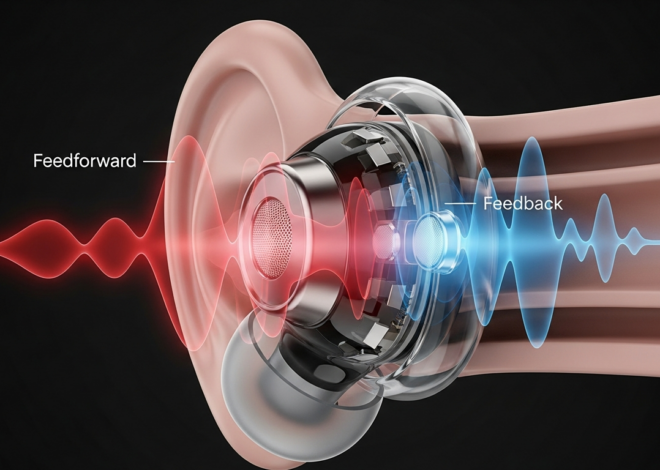
3. AI Upscaling 2.0: Nvidia’s AI upscaling was magic in 2019. It’s still good, but it’s getting aggressive on newer content. It tends to over-sharpen film grain, making Dune: Part Two look like a soap opera. With newer tensor cores, they could give us a much more subtle, intelligent upscaler.
The “Tube” Experiment: Never Again
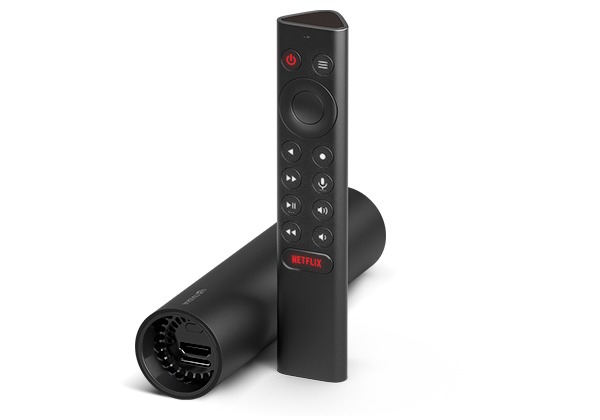
Side note: If Nvidia does drop a new device, can we agree to bury the “Tube” form factor? I tried to set one up for my parents last month. The cabling is awkward, it rolls around behind the TV cabinet, and it lacked the RAM of the Pro model. It was a compromise that nobody asked for.
Just give us a box. A nice, flat, stackable box. Maybe throw in an M.2 slot if you’re feeling generous (I know, I’m dreaming), but at least give us USB4 ports so I can attach fast storage without bottlenecking.
Why Not Just Build a PC?
But you know, I hear this all the time. “Just build a small form factor PC!” Yeah, I’ve done that. I have an N100 mini-PC running a custom Linux build. It’s great. But you know what it doesn’t have? Widevine L1 certification for 4K Netflix. It doesn’t have a remote-friendly Dolby Vision implementation that “just works” without fiddling with config files for three hours.
The Shield occupies this weird middle ground between “plug and play” and “tinker heaven.” It’s the only device where I can run a Plex server, sideload SmartTube, and stream GeForce Now at 4K 120Hz without a mouse and keyboard. Nothing else fills that gap. The Fire TV Cube is too locked down (Amazon’s UI is basically an ad delivery system now), and the Apple TV is a walled garden.
The Clock is Ticking
Nvidia’s reluctance makes sense on a spreadsheet. They are making money hand over fist selling AI chips to data centers. The consumer streaming box market is peanuts compared to that. Why bother engineering a low-margin consumer gadget when you can sell H200s or whatever the current enterprise chip is?
But there’s brand loyalty here. The Shield kept the GeForce brand in living rooms even for people who don’t own a gaming PC. It’s the gateway drug to their ecosystem.
And if we don’t see a hardware refresh by the end of 2026, I think it’s time to call it. The TV manufacturers are catching up. The processor in my Sony A95L is shockingly competent. If Nvidia waits too long, the gap between a “smart TV” and a “dedicated streamer” will be so small that nobody—not even die-hards like me—will bother spending $200 on a separate box.
So yeah, I’m glad they “want” to build it. But I want to buy it. Ball’s in your court, Jensen.
Keywords: Android News, Android Phones, Android Gadgets
iPhone 6s
losing battle against modern compression standards
Amazon’s UI is basically an ad delivery system now
Questions readers ask
Does the Nvidia Shield TV 2019 support AV1 hardware decoding?
No, the 2019 Nvidia Shield TV has no hardware AV1 support, which is a major problem in 2026 since YouTube and Netflix rely heavily on AV1. Without dedicated decoding, the Tegra X1+ CPU handles everything in software, spiking to 90% usage and causing the fan to audibly spin up. High-bitrate AV1 files stutter noticeably, even on Plex.
Why is the Nvidia Shield TV so slow compared to the Apple TV 4K in 2026?
The Shield runs on the Tegra X1+, a refreshed chip based on 2015 architecture, making it feel sluggish against modern hardware. In a direct comparison, loading Netflix took 12 seconds on the Shield versus just 4 seconds on the 2025 Apple TV 4K refresh. The aging silicon predates TikTok and struggles with modern UI rendering and codec demands.
Why not just replace the Nvidia Shield with a mini-PC for streaming?
A mini-PC like an N100 running Linux works well but lacks Widevine L1 certification, meaning no 4K Netflix playback. It also requires hours of config-file tinkering to get Dolby Vision working properly. The Shield uniquely bridges plug-and-play and tinker-heaven, running Plex, SmartTube, and GeForce Now at 4K 120Hz without a mouse and keyboard.
What features should a new 2026 Nvidia Shield TV include?
A successor needs a modern SoC—possibly Orin-based or derived from the Switch successor chip—capable of 4K60 HDR UI rendering as a baseline. HDMI 2.1b with working QMS is mandatory to eliminate the three-second handshake black screen when switching frame rates. It also needs refined AI upscaling that avoids over-sharpening film grain, plus USB4 ports for fast storage.