
My Shield Pro Is Dying And There Is No Heir Apparent
It happened again last Tuesday. I was twenty minutes into Dune: Part Two on Plex—the bitrate was climbing past 80 Mbps—when the screen just froze. No buffering wheel. No error message. Just a hard lockup that required me to physically yank the power cord out of the back of the unit. Well, that’s not entirely accurate—I had to give it a few good tugs before the cord finally came loose.
My Nvidia Shield TV Pro is tired. Actually, I should clarify—it’s not just tired, it’s downright exhausted.
I bought this thing in early 2020. For six years, it has been the single most reliable piece of electronics in my house. It survived three apartment moves, a fluctuating internet connection, and the transition from 1080p to 4K HDR. But here we are in February 2026, and the cracks aren’t just showing; they’re gaping chasms. The UI stutters when I switch between apps. The remote lag is sometimes measured in full seconds. And yet, I can’t replace it.
Because there is nothing to replace it with. Or is there?
The Hardware Bottleneck
Let’s look at the specs. My 2019 Shield Pro is running on the Tegra X1+ processor. That chip is essentially a slightly overclocked version of the silicon that launched in 2015. In tech years, that’s Jurassic.
I ran a quick diagnostic after the crash. My available RAM was hovering around 400MB out of the 3GB total. Modern Android TV apps are bloated beasts. The latest YouTube update alone seems to eat memory for breakfast, and don’t get me started on the resource hog that the new Max app has become since the merger. When you try to multitask between a 4K stream and a background download, the system just chokes. Probably because it’s so starved for resources.
The real killer, though? AV1 decoding. The Shield doesn’t support it natively. It has to software decode, which crushes the CPU. I tried watching a YouTube video encoded in AV1 last week, and the fan—which I didn’t even know still worked—spun up so loud I could hear it over the TV volume. It was pathetic.
Why Not Just Buy a Chromecast?
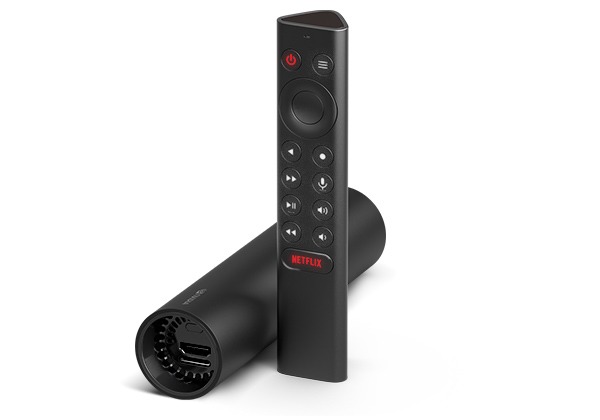
Friends ask me this all the time. “Just get the Google TV Streamer,” they say. “It’s cheap.”
They don’t get it. And, to be honest, I probably didn’t get it at first either.
If you care about local media playback, the landscape in 2026 is a wasteland. The Shield is still the only mainstream device that properly handles lossless audio passthrough for TrueHD Atmos and DTS:X without messing with the signal. I’ve tested the alternatives. The Fire TV Cube (3rd Gen) still forces audio conversion in weird ways. The Apple TV 4K is fantastic hardware, but it doesn’t do bitstream audio passthrough for local files, which defeats the purpose of my 7.1.4 setup.
So I’m stuck. I’m clinging to a device that crashes once a week because it’s the only one that respects my audio receiver.
The Update Paradox
You have to hand it to Nvidia’s software team, though. It is frankly absurd that this device is still getting updates. I’m currently running the latest Shield Experience upgrade based on Android 14 (TV edition), and while the features are great, the hardware just can’t keep up with the OS anymore.
It feels like trying to run Windows 11 on a laptop from 2012. Sure, it boots. But do you want to use it? Probably not.
I spent an hour yesterday diving into the developer options, turning off animations and limiting background processes to try and squeeze a bit more responsiveness out of the UI. It helped, marginally. Navigating the home screen feels slightly less like wading through molasses. But the moment I launch Kodi (running version 21.2 Omega), the lag returns. The database load times are excruciating compared to what I see on my PC.
The Missing Link
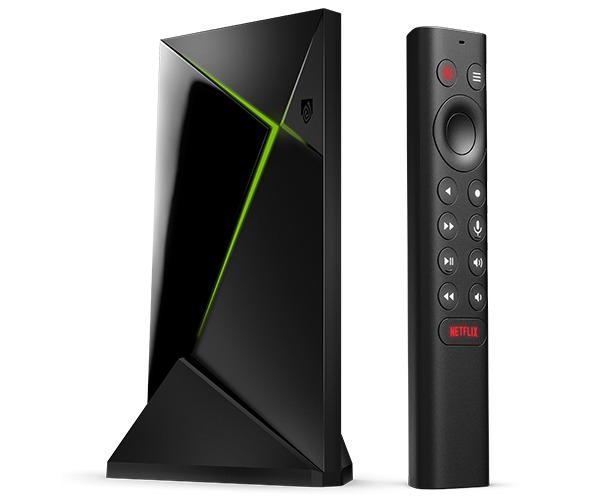
We’ve been hearing rumors of a new Shield for years. “Switch 2 silicon!” the forums screamed. “Orin chip incoming!”
Silence.
It’s frustrating because the market gap is obvious. There is a segment of us—home theater nerds, emulation enthusiasts, game streamers—who would happily drop $250 or even $300 right now for a “Shield Ultra.” Give us:
- AV1 hardware decoding (non-negotiable in 2026 according to the AV1 bitstream specification)
- HDMI 2.1 for 4K/120Hz output
- 6GB of RAM minimum
- Wi-Fi 7
That’s it. I don’t need it to brew coffee. I just need it to play a 90GB REMUX file without having a seizure.
Living on Borrowed Time
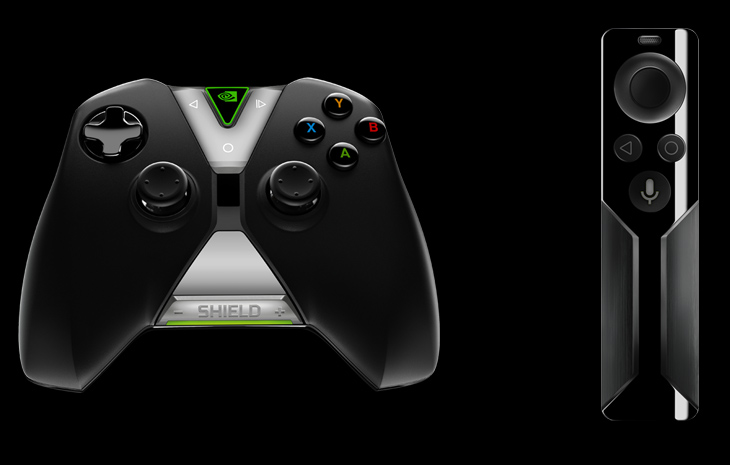
For now, I’ve resorted to a scheduled reboot every morning at 4 AM using a smart plug. It clears the cache and seems to keep the memory leaks at bay for at least 24 hours. It’s a hacky solution for a “Pro” device, but it works — or at least, it typically works.
I also finally caved and factory reset the unit last weekend. It took three hours to set everything back up—re-linking my Plex server, downloading the retro arch cores, logging into every streaming service manually because the “fast pair” feature timed out twice. The performance bump was noticeable for about two days before the sluggishness crept back in.
And you know what? I’m probably going to have to do it all over again next month. This thing is living on borrowed time.
If Nvidia doesn’t announce a successor by Q3 2026, I might have to build a small form-factor PC for the living room. I really don’t want to deal with Windows or Linux driver updates on my TV. I just want a remote-friendly interface that works.
But until then, I’ll keep rebooting. And praying my power cord holds out.
KEYWORDS: Android News, Android Phones, Android Gadgets
Frequently asked questions
Why does the Nvidia Shield TV Pro struggle with AV1 video in 2026?
The Shield TV Pro lacks native AV1 hardware decoding, so it must software decode the codec using its aging Tegra X1+ processor. This crushes the CPU, spinning up the internal fan loudly even during a single YouTube video. Since AV1 is considered non-negotiable in 2026 per the bitstream specification, the Shield’s inability to handle it natively is a major bottleneck for modern streaming.
Why can’t Apple TV 4K or Fire TV Cube replace the Nvidia Shield for home theater?
For local media playback enthusiasts, alternatives fall short in 2026. The Apple TV 4K doesn’t support bitstream audio passthrough for local files, defeating the purpose of a 7.1.4 setup. The Fire TV Cube (3rd Gen) forces audio conversion in strange ways. The Shield remains the only mainstream device that properly handles lossless TrueHD Atmos and DTS:X passthrough without altering the signal.
What specs would a Shield Ultra successor need to satisfy home theater enthusiasts?
Home theater nerds, emulation fans, and game streamers would pay $250-$300 for a Shield Ultra with four specific features: AV1 hardware decoding, HDMI 2.1 for 4K/120Hz output, at least 6GB of RAM, and Wi-Fi 7. The goal isn’t fancy extras but reliable playback of massive 90GB REMUX files without crashing, something the current Tegra X1+ hardware simply can’t manage anymore.
How do you stop an old Nvidia Shield from crashing and lagging?
A few hacky workarounds help extend an aging Shield’s usability. Scheduling a daily reboot at 4 AM via a smart plug clears cache and suppresses memory leaks for about 24 hours. Disabling animations and limiting background processes in developer options marginally improves UI responsiveness. A factory reset provides a noticeable performance bump, but sluggishness typically returns within two days, requiring repeated resets.