
Android’s Volume Cap Is Still A Mess In 2026
I have a confession – I used to hate Docker. But I’ve been thinking a lot about this lately, and I’ve realized that Docker actually has a reputation problem, and it’s partly deserved. Even now, with Android 16 rolling out, there is a “master switch” for volume that overrides your main slider, and it’s buried so deep in the UI that most people probably assume their phone just has weak speakers.
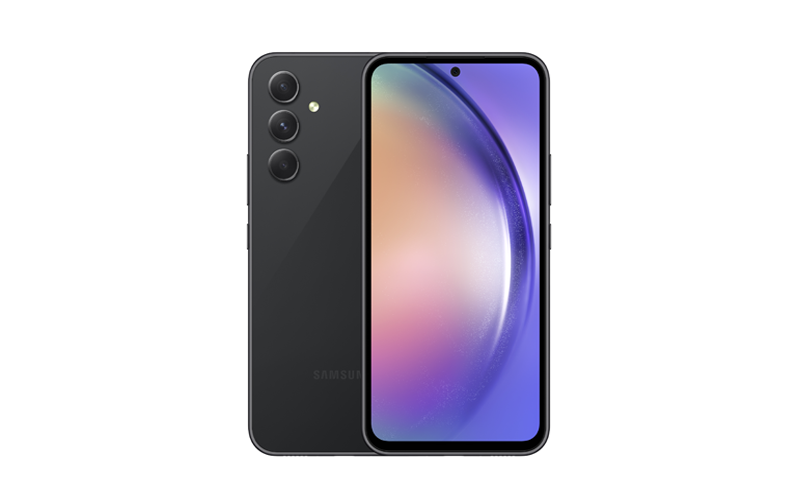
And if you’re using a Samsung device (I tested this on my Galaxy S25 running One UI 8.1), or really anything with a heavy manufacturer skin, the volume slider you see in the quick panel isn’t the whole story. It’s a lie. There is a separate, hidden setting called Media Volume Limit. The problem isn’t the safety feature. It’s the UI design. It’s terrible.
You’d think this toggle would be under “Safety” or “Digital Wellbeing,” right? Nope. On One UI 8.1, here is the ridiculous path you have to take: Go to Settings > Sounds and vibration, tap Volume, and then — this is the kicker — look at the top right corner. See those three tiny vertical dots? Tap them, and then select Media Volume Limit.
When I opened this menu, the toggle was on, and the “Custom Volume Limit” slider was sitting at about 70%. I turned it off, went back to my movie, and — well, let me back up. The difference isn’t subtle. It’s the difference between “is this thing on?” and “okay, that hurts.”
The “Absolute Volume” Glitch
If that doesn’t fix it, or if you’re on a Pixel (I checked my Pixel 10 Pro just to be sure), you might be dealing with the Bluetooth Absolute Volume conflict. This one has been haunting Android for a decade, and I can’t believe I’m still writing about it in 2026.
Basically, your phone has a volume level, and your Bluetooth headphones have their own internal volume level. “Absolute Volume” is supposed to sync them so one slider controls both. But it breaks. Constantly.
The fix requires diving into Developer Options. If you haven’t enabled them yet (tap Build Number 7 times in About Phone), do that. Then search for “Disable Absolute Volume”.
Why Is This Still Happening?
Honestly? Regulations. The EU has strict standards on maximum sound pressure levels for portable audio devices. Manufacturers are terrified of lawsuits or regulatory fines, so they play it safe. They ship devices with software limiters engaged by default.
It makes sense for the wired earbuds included in the box (does anyone even get those anymore?), but it makes zero sense for external Bluetooth speakers or high-impedance headphones that need more power to drive properly.
One More Place to Look: Adapt Sound
While I was angry-tapping through menus, I remembered another setting that messes with perceived volume: Adapt Sound (or “Personalized Spatial Audio” on some devices). On Samsung devices, it’s under Sound quality and effects. It runs a hearing test—plays beeps at different frequencies—and boosts the frequencies you can’t hear well. I ran the “Over 30 years old” preset (don’t judge me), and while it didn’t technically increase the maximum decibel output, it boosted the treble and high-mids significantly.
The Bottom Line
If your phone sounds quiet, don’t just accept it. The hardware is usually capable of much more than the software is letting it do. It’s annoying that we have to dig through three layers of sub-menus to find a switch that effectively uncaps the performance we paid for, but that’s modern mobile OS design for you. Hide the power tools, keep the interface “clean,” and hope nobody notices.
And, well, that’s not entirely accurate. Check the three dots. It’s always in the three dots.
KEYWORDS: Android News, Android Phones, Android Gadgets
Frequently asked questions
Where is the Media Volume Limit setting hidden on Samsung One UI 8.1?
On One UI 8.1, the Media Volume Limit is buried behind several menus. Open Settings, tap Sounds and vibration, then tap Volume. From there, look at the top right corner and tap the three vertical dots, then select Media Volume Limit. The toggle is often on by default, with the Custom Volume Limit slider set to around 70%, capping your device’s output.
How do I fix the Bluetooth Absolute Volume glitch on Android in 2026?
The Absolute Volume feature is supposed to sync your phone’s volume slider with your Bluetooth headphones’ internal level, but it frequently breaks. To fix it, enable Developer Options by tapping Build Number seven times in About Phone. Then search within Developer Options for Disable Absolute Volume and toggle it on. This decouples the two volume systems so each can be controlled independently.
Why do Android phones ship with a volume cap enabled by default?
Manufacturers enable software volume limiters by default largely because of regulations. The EU enforces strict standards on maximum sound pressure levels for portable audio devices, and manufacturers fear lawsuits or regulatory fines. While this makes sense for wired earbuds bundled in the box, it makes little sense for external Bluetooth speakers or high-impedance headphones that require more power to drive properly.
What does Samsung’s Adapt Sound feature actually do to volume?
Adapt Sound, found under Sound quality and effects on Samsung devices (called Personalized Spatial Audio on some others), runs a hearing test by playing beeps at various frequencies, then boosts the frequencies you struggle to hear. It does not technically increase maximum decibel output, but presets like the Over 30 years old option noticeably boost treble and high-mids, changing perceived loudness.